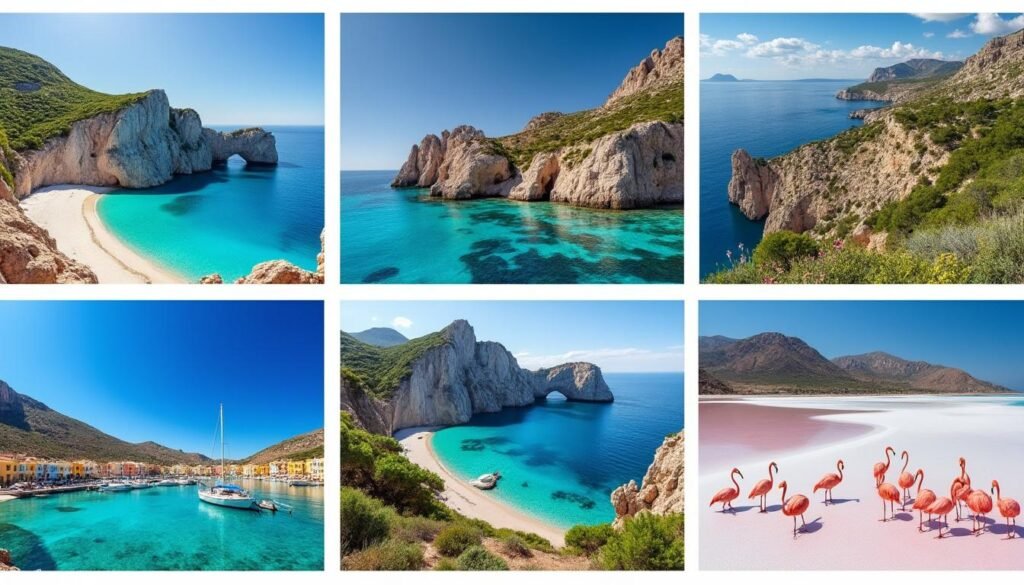

Lost between Europe and Africa, belonging to nowhere. That was D. H. Lawrence’s take on Sardinia back in 1921, and over a century later, the sentiment still captures the island’s wild, untamable spirit. This is a land of dramatic contrasts, where the glitzy playgrounds of billionaires on the Costa Smeralda give way to rugged, mountainous interiors where ancient traditions persist. It’s an island that can feel like a different country from one coast to the other, offering a kaleidoscope of experiences for every type of traveler. Planning a trip here can feel like trying to solve an ancient puzzle, with its countless coves, prehistoric ruins, and scenic trails all vying for attention. You could easily find yourself sticking to the well-trodden path, missing the raw beauty and unique culture that make Sardinia a true Mediterranean anomaly. But fear not, this guide is designed to navigate you through its savage beauty, matching its most stunning destinations to the adventure you crave, ensuring your 2026 trip is nothing short of unforgettable.
- Sardinia is an island of immense diversity, offering everything from luxury resorts and pristine beaches to rugged hiking trails and millennia-old archaeological sites.
- The north is defined by the chic Costa Smeralda and the stunning La Maddalena archipelago, perfect for sailing and high-end relaxation.
- The east coast is a haven for adventurers, with the dramatic cliffs of Golfo di Orosei and the challenging trails of the Supramonte mountains.
- The west coast, particularly Alghero, offers a unique blend of Italian and Catalan culture, with a charming historic center and beautiful coastlines.
- Southern Sardinia combines the urban energy of its capital, Cagliari, with the untouched nature of its national parks, like Asinara, home to unique wildlife.
The Glamorous North: Costa Smeralda and La Maddalena
The story of northeastern Sardinia’s transformation is the stuff of legends. In the late 1950s, this was a desolate, rocky coastline. Its destiny shifted when a storm forced a young Prince Karim Aga Khan to shelter his boat in one of its pristine coves. He was so enchanted by the turquoise water and wild landscape that he declared it paradise and set about developing a 35-mile stretch of coast now known as the Costa Smeralda. His vision was one of conservation, using local materials and designing architecture in harmony with nature. Today, it remains an exclusive enclave, with terracotta-roofed villas draped in bougainvillea, attracting A-listers to its understated luxury. The heart of this region is Porto Cervo, a picturesque village built in the 1960s as a playground for the jet set, and it continues to be the epicenter of glamour.
Island Hopping in La Maddalena National Park
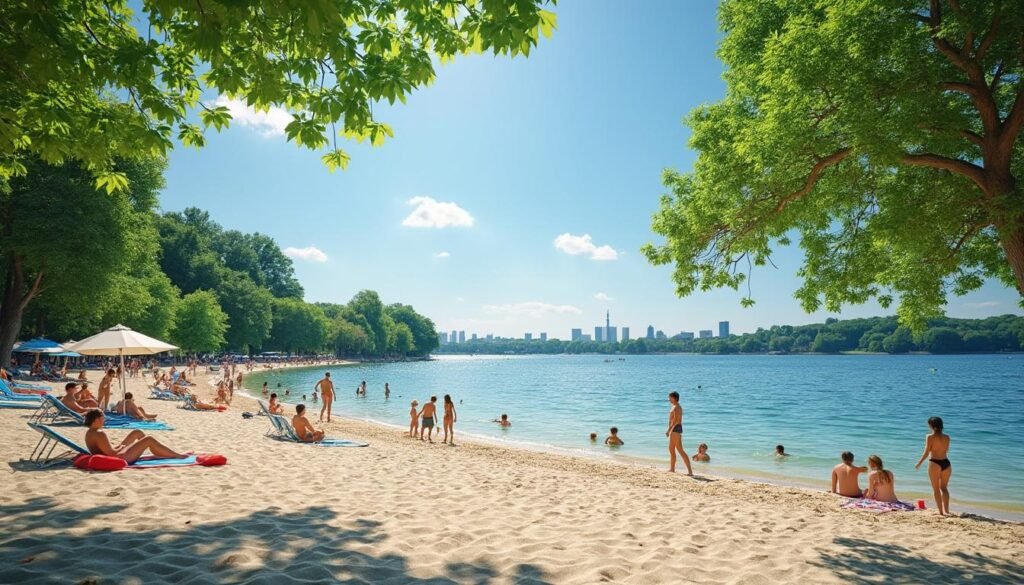
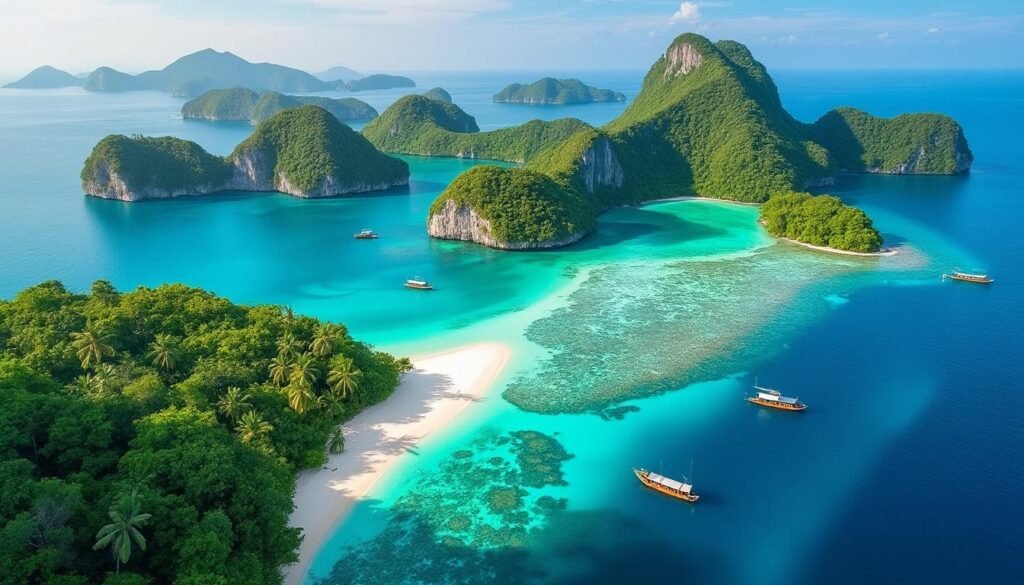
Just off the coast lies the Arcipelago della Maddalena, a protected national park sprinkled across the serene sea. This stunning chain of islands is a must-visit. From the port of Palau, daily boat trips offer the chance to hop between islands, swim in secluded coves, and maybe even spot dolphins. The two largest islands, Maddalena and Caprera, are accessible by a short ferry ride. La Maddalena town has a charming historic center perfect for an evening passeggiata, while Caprera is famously the final home of Italian hero Giuseppe Garibaldi. You can visit his estate, the Compendio Garibaldino, before heading for a swim at one of the island’s spectacular beaches, like Spiaggia del Relitto. It is a perfect place to discover some of the most beautiful beaches in Europe.
The Wild East: Dramatic Coasts and Hiking Havens
For those who prefer hiking boots to designer shoes, the east coast is a rugged paradise. The Golfo di Orosei features some of Europe’s most dramatic coastal scenery, with towering limestone cliffs that plunge directly into the sparkling Mediterranean. This sheer drop means many of its best beaches, such as the breathtaking Cala Mariolu, are only accessible by boat or a strenuous hike. The easiest way to experience this coastline is a boat tour from the resort town of Cala Gonone, which will guide you through sea caves and to idyllic swimming spots. This area truly offers a multitude of exciting things to see and do.
Conquering the Supramonte Hiking Trails
Inland from the gulf lies the Supramonte, a limestone massif riddled with deep gorges, remote valleys, and spectacular trails. One of the most rewarding hikes leads to Gola Su Gorropu, one of Europe’s deepest canyons, where you can boulder-hop along a riverbed between sheer, polychrome walls. Another evocative trek takes you to the prehistoric village of Tiscali, hidden within the collapsed remains of a massive cave. For a truly unforgettable experience, the multi-day Selvaggio Blu (Wild Blue) trek is considered one of Italy’s toughest and most beautiful, combining climbing and hiking along remote coastal landscapes.
The Historic West: Catalan Charm and Ancient Mysteries
Facing Spain across the sea, the enchanting city of Alghero feels as much Catalan as it does Italian. Its official language is a dialect of Catalan, a legacy of Aragonese rule, which is also reflected in its magnificent 16th-century golden sea walls. A walk along these ramparts at sunset is a quintessential Sardinian experience, offering the perfect spot to enjoy a bottle of local Vermentino wine. The city’s historic center is a maze of cobbled lanes and Gothic palazzi. For panoramic views, climb the bell tower next to the cathedral. Exploring the must-see sights in Sardinia is essential for any visitor.
Stepping Back in Time at Su Nuraxi di Barumini
Sardinia is dotted with thousands of mysterious prehistoric stone structures known as nuraghi. If you only see one, make it Su Nuraxi di Barumini, a UNESCO World Heritage site located an hour north of Cagliari. This Bronze Age complex is a fascinating glimpse into a lost civilization. As you climb down stone steps and navigate its narrow passageways, you can easily imagine the bustling village that once stood here. The centerpiece is a massive central tower, once reaching 18 meters high, surrounded by a complex labyrinth of smaller towers, walls, and courtyards.
The Urban South and Untamed Nature
Sardinia’s capital, Cagliari, is a vibrant city and a perfect introduction to the island. Its medieval hilltop citadel, Il Castello, is a warren of narrow streets offering stunning views from the top of the Torre dell’Elefante. Delve into the island’s rich, layered history at the magnificent National Archaeological Museum. For shopping, dining, and nightlife, the bustling Marina district by the city’s palm-fringed waterfront is the place to be. When you need a break, the tranquil botanical gardens or the long, sandy expanse of Poetto Beach are just a short bus ride away.
Wildlife Encounters in Asinara National Park
Off Sardinia’s northwestern tip lies the island of Asinara, a former penal colony now transformed into a national park and an oasis of untamed nature. The island is famous for its population of albino donkeys, which roam free alongside wild boar and mouflon sheep. The surrounding waters are a marine reserve, home to loggerhead turtles. Access is restricted to day-trippers, who can explore the island’s untrammeled beaches and granite coves by joining guided tours via catamaran, jeep, or electric bike. It’s a truly special place to connect with nature, and there are many excellent guides to help plan your visit.
What is the best time of year to visit Sardinia?
The best time to visit Sardinia is during the shoulder seasons of spring (April to June) and early autumn (September to October). The weather is pleasant, the sea is warm enough for swimming, and the crowds are smaller than in the peak summer months of July and August.
Is it necessary to rent a car in Sardinia?
While public transport connects major towns, renting a car is highly recommended to fully explore the island. A car gives you the freedom to discover secluded beaches, hidden coves, and inland villages that are difficult to reach by bus or train, especially outside of the main summer season.
What is Sardinia’s most famous dish?
One of Sardinia’s most iconic dishes is Porceddu, a slow-roasted suckling pig seasoned with myrtle and other aromatic herbs. For pasta lovers, Culurgiones (dumplings filled with potato, pecorino cheese, and mint) and Malloreddus (a small gnocchi-like pasta often served with a sausage ragu) are must-tries.
Which part of Sardinia has the best beaches?
This is a tough question as the entire island is famous for its stunning coastline. The Costa Smeralda in the northeast is known for its glamorous, turquoise-watered coves. The Golfo di Orosei on the east coast has dramatic, wild beaches accessible by boat. The south, near Chia and Villasimius, boasts long stretches of white sand dunes and crystal-clear water.