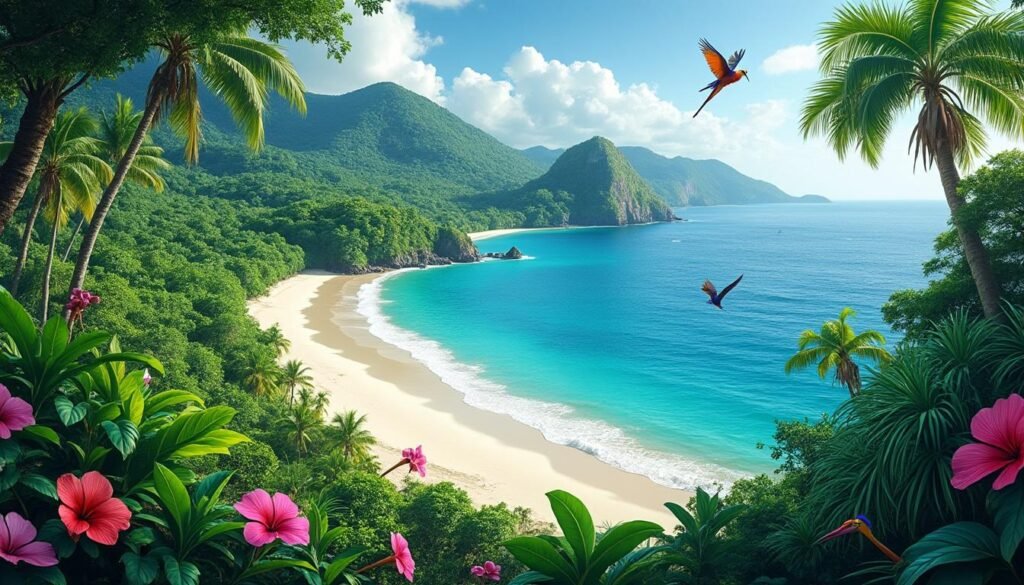

Imagine a place where dense, emerald jungle tumbles down to meet beaches of soft, golden sand, all watched over by the silent, snow-capped peaks of the world’s tallest coastal mountain range. This isn’t a fantasy; it’s Tayrona National Natural Park, a protected jewel on Colombia’s Caribbean coast. A sanctuary of staggering biodiversity and profound indigenous history, Tayrona offers an escape that feels worlds away from modern life. But reaching this paradise requires more than just a ticket; it demands preparation. This is a world where nature sets the rules, from the challenging hiking trails that snake through the forest to the powerful currents that carve the coastline. Planning is the key that unlocks a truly unforgettable experience, turning a simple visit into a deep immersion into one of South America’s most treasured landscapes. Here, every step reveals a new wonder, be it a troop of rare monkeys chattering in the canopy or a hidden cove with waters of impossible turquoise.
Here are the quick things to know before your trip:
- The park has annual closures for ecological and spiritual restoration, typically in February, so always verify dates before booking.
- You need your physical passport to enter; photocopies are not accepted.
- There are two main entrances: El Zaino (the most popular) and Calabazo (for a quieter experience).
- Entrance fees for foreigners are around 62,000 to 73,500 COP, depending on the season. Payment is at the gate.
- A small, mandatory daily insurance fee of around 6,000 COP is required upon entry.
- There are no ATMs in the park, and card machines are unreliable. Bring enough cash for your entire stay.
- Large backpacks are a major hindrance on the trails. Store them at your accommodation in Santa Marta or Palomino.
- Single-use plastic bags are banned, so pack accordingly.
Planning Your Tayrona Adventure: The Essentials
Embarking on a journey to Tayrona is an adventure in itself. The park’s remote beauty is part of its charm, and getting there is the first chapter of your story. The most common starting point is the coastal city of Santa Marta, a bustling hub that serves as the gateway to this natural wonder.
Getting to the Gates of Paradise
The most economical way to reach Tayrona is via the public bus from Santa Marta. These buses depart frequently from the city’s public market and the journey takes about an hour. For a fare of around 14,000 COP, it’s a bargain. Just be sure to tell the driver which entrance you’re headed for—El Zaino or Calabazo—as there are no formal stops. For those seeking more convenience or traveling in a group, a taxi is a viable alternative, costing approximately 150,000 COP and offering door-to-gate service on your schedule.
Choosing Your Basecamp: Inside or Outside the Park?
Deciding where to sleep can shape your entire Tayrona experience. Staying inside the park offers unparalleled immersion. You can wake up to the sounds of the jungle and be the first on the trails. However, options are limited and often rustic, ranging from hammocks and tents at Cabo San Juan to more comfortable but pricey eco-habs. Be prepared for a significant hike from the entrance to most accommodation, a trek you do not want to do with a large suitcase. Alternatively, staying just outside the park in areas like Mendihuaca provides a wider range of accommodations and a chance to explore nearby beaches. Many travelers find this a convenient option, allowing them to day-trip into the park without lugging all their gear. This complete guide to Tayrona Park provides excellent insights into lodging choices.
Navigating Park Entry and Fees
The main entrance, El Zaino, is a small hub of activity with shops and food stalls. Here, you’ll present your passport and pay the entrance fee, which hovers around 74,000 COP for foreigners but can increase during peak seasons like December and January. After paying the fee and the mandatory insurance, you have a choice: begin the hike immediately or take a small shuttle van for 5,000 COP, which shaves off the first few kilometers of paved road and drops you at the true start of the jungle trail. It’s a small price to pay to save your energy for the more scenic parts of the hike.
The Unforgettable Tayrona Experience: Top Activities
Once inside, the park unfolds into a playground for adventurers and nature lovers. The primary allure is the series of stunning beaches connected by a winding, well-trodden path. But there is so much more to discover, from rare wildlife to ancient history.
Hiking to Tayrona’s World-Famous Beaches
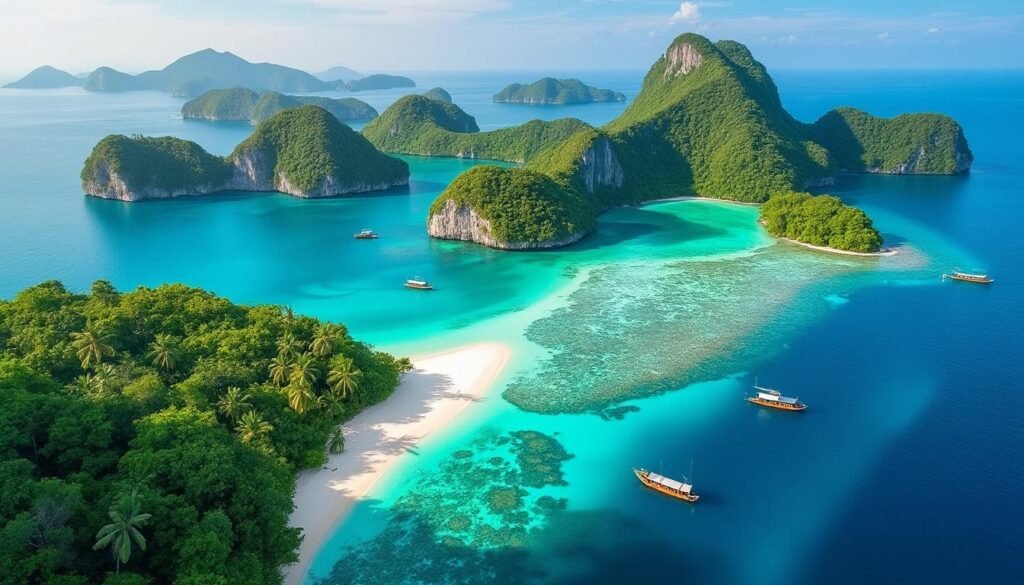
The hike from the trailhead is a sensory journey through diverse landscapes. The humid air, the chorus of unseen insects, and the shifting scenery from dense forest to coastal scrub keep the walk engaging. The trail leads you to several key spots. First is Arrecifes, a dramatic beach where powerful waves crash against giant boulders—beautiful to see, but swimming is strictly forbidden due to dangerous currents. A little further is La Piscina, a aptly named beach protected by an offshore rock formation, creating a natural swimming pool with calm, clear waters. The final, iconic destination for most is Cabo San Juan del Guía. Famous for its viewpoint hut perched on a rocky outcrop between two twin bays, it’s the postcard image of Tayrona and a popular spot for camping.
A Sanctuary for Rare and Wonderful Wildlife
Tayrona is a biodiversity hotspot, and keeping your eyes and ears open can yield incredible rewards. The park is one of the last remaining habitats for the critically endangered cotton-top tamarin, a tiny primate with a wild shock of white hair. You might also spot Colombian red howler monkeys roaring from the treetops, families of capuchin monkeys, or a slow-moving three-toed sloth. The park is also a birdwatcher’s dream, with over 350 species recorded, including keel-billed toucans and crimson-crested woodpeckers. Exploring the numerous things to do in Tayrona will surely bring you face-to-face with its unique inhabitants.
Beyond the Main Trail: Unique Adventures
For those looking to escape the crowds, Tayrona offers quieter paths. The 9 Piedras (9 Stones) hike is a short loop near Cañaveral that takes you past nine large, culturally significant boulders sacred to the local indigenous communities. If you enter through the Calabazo gate, you can hike to Playa Brava, a much more secluded beach with its own camping and eco-lodge, offering a tranquil alternative to the bustling Cabo San Juan. On clear days, especially in the early morning, look inland from one of the park’s viewpoints. You might be treated to the breathtaking sight of the snow-capped peaks of the Sierra Nevada de Santa Marta rising above the jungle—a truly magical contrast of ecosystems.
Your Essential Tayrona Survival Kit
A little preparation goes a long way in ensuring your trip is comfortable and safe. Packing the right gear is crucial for navigating the park’s environment.
- Proper Footwear: The trails can be muddy, rocky, and slippery. Sturdy hiking shoes or trail runners are far better than flip-flops.
- Hydration is Key: The heat and humidity are intense. Bring a large reusable water bottle; a purifying filter bottle is an excellent investment to refill from sources along the way.
- Insect Repellent: Mosquitoes and other biting insects are abundant, especially in the jungle sections. A strong repellent is a non-negotiable item.
- Sun Protection: The Caribbean sun is powerful. Pack high-SPF sunscreen, a wide-brimmed hat, and sunglasses.
- Cash is Crucial: Re-stashing your wallet with enough Colombian Pesos is vital, as you cannot rely on finding a working ATM or card machine inside the park.
- A Headlamp: If you’re staying overnight or starting early, a flashlight or headlamp is essential for navigating in the dark.
- Quick-Dry Towel: Perfect for after a swim at La Piscina and dries quickly in the humid air.
What is the best time to visit Tayrona National Park?
The ideal time to visit is during the dry season, from December to March. The weather is more predictable, and the trails are in better condition, making for a more pleasant hiking experience.
Can I visit the park in just one day?
Yes, a day trip is possible, but it will be a long and strenuous day. To make the most of it, you must arrive at the park entrance as early as possible to allow enough time for the 2.5-hour hike to Cabo San Juan and back.
Is it mandatory to hire a guide to visit Tayrona?
No, a guide is not required. The main trail to Cabo San Juan is well-marked and easy to follow. However, a guide can enrich your visit by pointing out wildlife and sharing knowledge about the park’s unique flora, fauna, and indigenous culture.
Can I camp inside Tayrona National Park?
Absolutely. Camping is a popular option, with designated areas at Cabo San Juan and Playa Brava. You can rent a tent or a hammock on-site. It is highly recommended to book your spot in advance, especially during the high season (December-January) and on weekends.