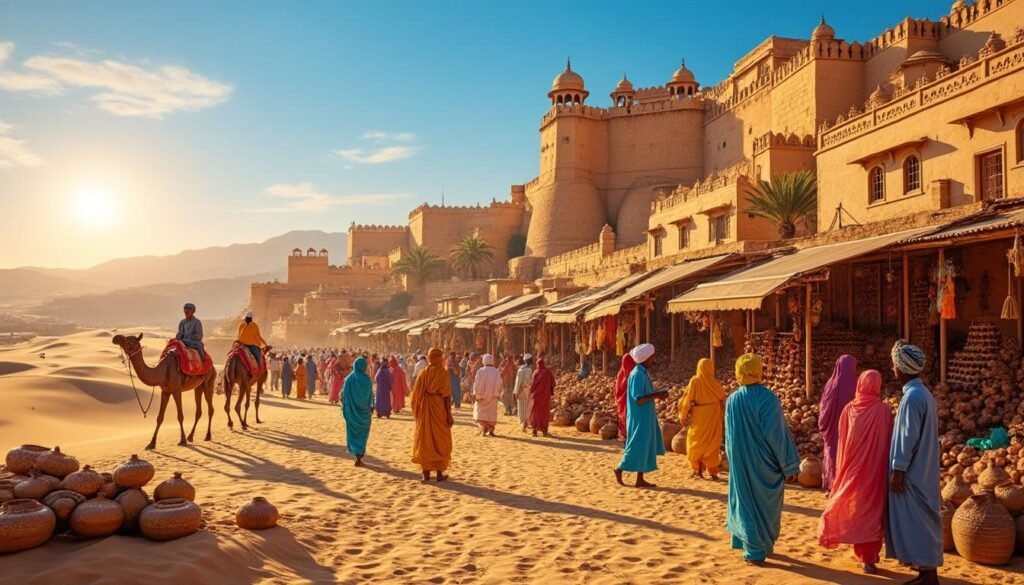
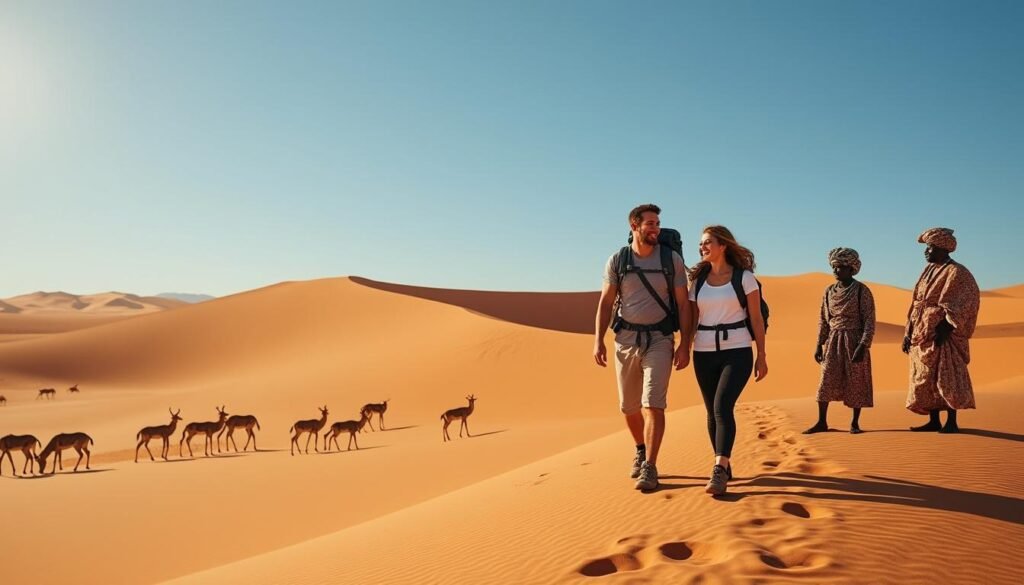

Namibia conjures images of epic landscapes: towering red dunes melting into a pale sky, vast salt pans shimmering with wildlife, and a coastline where the desert dramatically meets the sea. It’s a photographer’s dream and an adventurer’s playground. Yet, for all its desolate beauty, the question of safety often surfaces in travel planning. While headlines and official advisories can paint a stark picture, the on-the-ground reality for most tourists is one of profound tranquility and warm welcomes. The country is widely regarded as one of Southern Africa’s most stable nations, with a thriving tourism industry built on providing unforgettable, secure experiences.
The true “dangers” in Namibia are often not what you’d expect. Rather than fixating on crime statistics more suited to bustling global capitals, the prepared traveler focuses on the challenges of the environment itself: navigating thousands of kilometers of gravel roads, respecting the power of the sun, and understanding the behavior of wildlife. Mastering these elements is part of the adventure. With smart preparation and a healthy dose of common sense, a trip to this incredible country is not only safe but is the journey of a lifetime. This guide will help you navigate the real risks and equip you for an extraordinary exploration.
In brief
- Overall Safety: Namibia is generally considered a safe and politically stable country, especially in tourist areas and national parks.
- Petty Crime: The primary concern is opportunistic crime like pickpocketing and vehicle break-ins in larger cities like Windhoek and Swakopmund. Violent crime against tourists is rare.
- Road Safety: Self-driving is popular but requires caution. Most roads are gravel; punctures are common, and wildlife can cross unexpectedly. Avoid driving at night.
- Wildlife: Encounters are a highlight but require respect. Always stay in your vehicle in national parks and never feed the animals.
- Health: Malaria is a risk in the northern regions, especially during the rainy season (November-April). Sun protection and staying hydrated are crucial everywhere.
- Preparation is Key: Comprehensive travel insurance, a well-stocked first-aid kit, and informing someone of your itinerary for remote journeys are essential.
Decoding the risks: Understanding crime in Namibia’s cities
When travelers review safety information, the mention of crime can be jarring. It’s true that urban centers such as Windhoek, Swakopmund, and Walvis Bay experience opportunistic crime. These incidents are typically non-violent and include purse snatching, pickpocketing in crowded markets, and “smash-and-grab” thefts from vehicles. The key is to understand that these are crimes of opportunity, not targeted attacks on tourists.
To mitigate these risks, adopt the same street smarts you would in any major city. Keep valuables like expensive cameras, phones, and jewelry out of sight. When you park your vehicle, never leave anything visible inside—not even a jacket. Use the safe in your hotel room for passports and excess cash, carrying only what you need for the day. When using ATMs, prefer those located inside banks or shopping malls during daylight hours and be discreet. Walking alone in unlit areas at night is not recommended.
The truth about more serious crime
Official advisories sometimes mention the possibility of more serious, violent crimes like armed robberies or home invasions. While these do occur, they are infrequent and very rarely involve tourists. The weapons cited, such as knives, are a reflection of local crime patterns, but it’s important to contextualize this risk. For a visitor sticking to tourist routes and taking standard precautions, the likelihood of encountering such a situation is extremely low. By staying aware and following general Namibia travel safety guidelines, you place yourself well outside the typical risk profile.
The real Namibian challenge: Taming the open road
For most visitors, the greatest safety challenge in Namibia has nothing to do with people and everything to do with its vast, rugged terrain. A self-drive tour is the best way to experience the country’s freedom and scale, but it demands respect for the driving conditions. Outside of the main arterial routes, the majority of roads are gravel. While generally well-maintained, they can have corrugated surfaces, loose stones, and sharp bends that require significantly reduced speeds compared to tarmac.
Punctures are not a matter of “if” but “when.” It’s essential that your rental vehicle is equipped with at least two spare tires and that you know how to change them. Distances between towns and fuel stations are immense, so the golden rule is to never pass a petrol station without filling up your tank. Furthermore, wildlife is a constant presence. A collision with a kudu or springbok, especially at dawn or dusk, can be dangerous for both the animal and you. This is the primary reason why driving at night is strongly discouraged.
An adventure-ready driving checklist
To ensure your road trip is memorable for the right reasons, proper preparation is non-negotiable. Think of it as gearing up for the adventure.
- Vehicle Check: Ensure you have two fully inflated spare tires, a functioning jack, and basic tools.
- Fuel Strategy: Always top up your fuel tank when you see a station, even if you’re not empty.
- Navigation: While GPS is useful, have offline maps or a physical map as a backup, as mobile service is non-existent in many areas.
- Supplies: Always carry extra water (at least 5 liters per person), snacks, and a first-aid kit in the car.
- Itinerary Sharing: If heading into very remote areas like the Skeleton Coast or Kaokoland, leave your planned route and estimated arrival time with your lodge or a contact person.
- Patience: Don’t rush. The journey is part of the destination. Plan for lower average speeds and enjoy the scenery.
Wild encounters: Staying safe in safari paradise
Namibia is a world-class safari destination, and the thrill of seeing desert-adapted elephants in Damaraland or lions stalking prey in Etosha National Park is unforgettable. Safety in these environments is straightforward and centers on one principle: respect. Wild animals are unpredictable, and their territory must be treated with caution.
In national parks like Etosha, the most important rule is to remain inside your vehicle at all times, unless you are in a designated, fenced-off rest camp or picnic area. Approaching animals on foot is forbidden and extremely dangerous. It’s also crucial never to feed wildlife. Doing so habituates them to humans, which can lead to aggressive behavior and disrupts their natural foraging instincts. When observing animals, keep a respectful distance, turn off your engine, and simply watch quietly. By following the park rules and the advice of guides, you can enjoy breathtakingly close encounters in a completely safe manner.
Health and the elements: Thriving in a land of extremes
Beyond roads and wildlife, personal well-being involves being prepared for Namibia’s powerful natural environment and taking basic health precautions. The Namibian sun is relentless. High-SPF sunscreen, a wide-brimmed hat, and quality sunglasses are not optional accessories; they are essential gear. Dehydration is a serious risk, particularly when hiking in places like Sossusvlei or the Fish River Canyon. You should be drinking water constantly throughout the day, far more than you might be used to.
Malaria is another consideration, but it’s geographically specific. The risk is present mainly in the far northern regions (like the Zambezi Strip) and is highest during and just after the rainy season. For most of the country’s popular tourist circuits, the risk is very low to non-existent. It is always best to consult your doctor before your trip about anti-malarial medication. Additionally, while the food and water in lodges and restaurants are generally safe, sticking to bottled or filtered water is a wise precaution. A comprehensive travel insurance policy that covers medical emergencies and evacuation is an absolute must for any trip. You can review the latest official travel health information for up-to-date recommendations.
Is it safe for a solo female traveler to visit Namibia?
Yes, Namibia is generally considered safe for solo female travelers, particularly on organized tours or self-drive routes that stick to the main tourist circuits. Standard precautions should be taken, such as avoiding walking alone at night in cities and being mindful of your belongings. Many women travel solo through the country without any issues.
What are the emergency numbers in Namibia?
The primary emergency numbers are 10111 for the police and +264 (61) 211111 for medical emergencies (ambulance services). It’s a good idea to also save the contact details of your country’s embassy and your travel insurance provider in your phone.
Is it safe to use credit cards and carry cash?
Credit cards are widely accepted in hotels, larger restaurants, and shops in towns. However, it is essential to carry a sufficient amount of Namibian Dollars (NAD) in cash, especially for fuel, park entry fees, and purchases in smaller towns or rural markets where card facilities may be unavailable. Be vigilant when using ATMs.
Can I drink the tap water in Namibia?
In major towns and cities like Windhoek and Swakopmund, the tap water is generally safe to drink as it is purified. However, in rural areas and lodges, it is highly recommended to drink bottled, filtered, or boiled water to avoid any potential stomach issues.