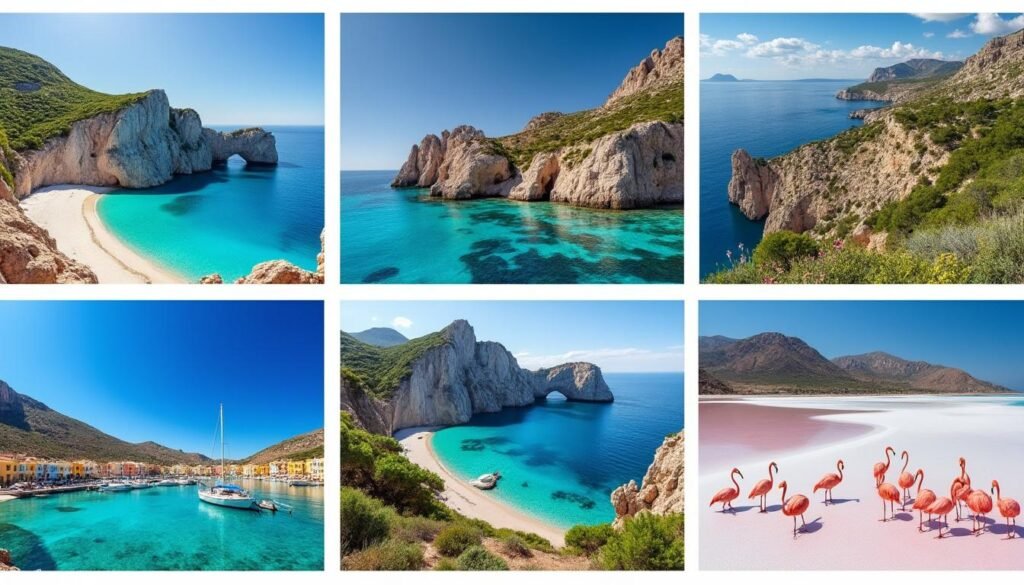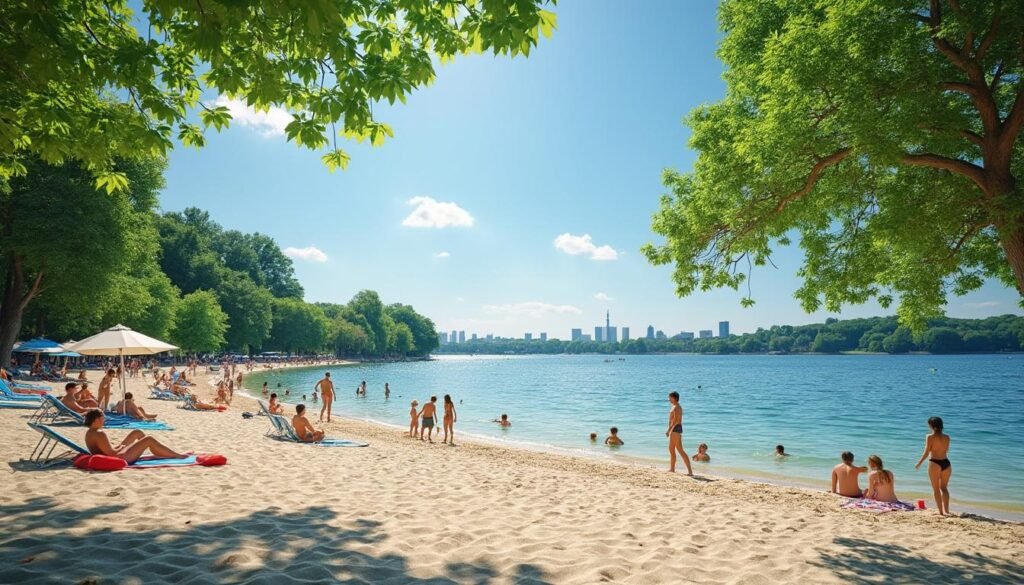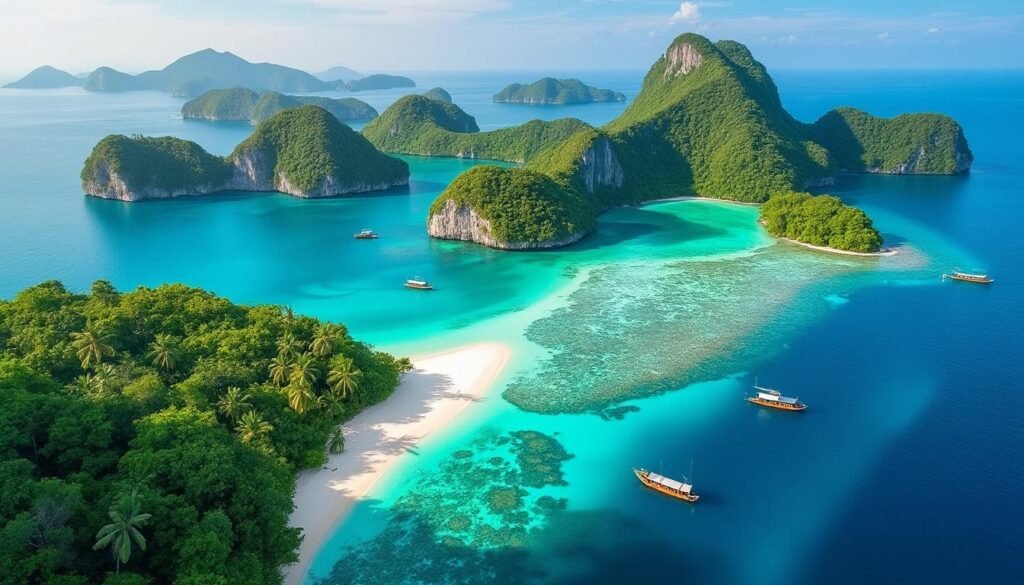

With an astonishing 38,600 kilometers of coastline, Europe is a treasure trove of seaside wonders, ranging from the sun-drenched coves of the Mediterranean to the wild, wind-lashed shores of the Atlantic. The continent offers a staggering variety of beaches, each with its own unique character. Forget the one-size-fits-all holiday; the perfect stretch of sand for you depends entirely on your travel style. Are you an adventurer seeking dramatic, untamed landscapes? A romantic looking for a secluded cove to call your own for an afternoon? Or perhaps a family in search of powder-soft sand and gentle, crystalline waters? The challenge isn’t finding a beautiful beach in Europe; it’s navigating the thousands of options to find the one that feels like it was made just for you. This curated selection steps away from the most crowded and obvious choices to explore havens of natural beauty, whether they require a scenic hike, a boat trip, or simply a drive down a winding coastal road.
In brief
- Europe’s diverse coastline offers beaches for every type of traveler, from families to thrill-seekers.
- Some of the most breathtaking beaches are found in unexpected locations, like the Arctic circles of Norway and Iceland.
- Access is key; many pristine spots like Cala Goloritzè require a hike or boat, rewarding the effort with seclusion.
- Iconic destinations in Greece, Spain, and Italy continue to mesmerize, but visiting in shoulder seasons (May, September) is often best.
- Beyond sunbathing, many top beaches serve as gateways to adventure, from surfing at Praia da Arrifana to exploring the sea caves of Cyprus.
For Sun-Seekers and Families: Iconic Sandy Havens
When the goal is pure relaxation and classic seaside fun, nothing beats a long stretch of fine sand and clear, calm waters. These beaches are the superstars of the European coast, celebrated for their postcard-perfect beauty and welcoming atmosphere, making them ideal for families and anyone looking to simply unwind in the sun.
Plage de Palombaggia, Corsica, France
Often hailed as one of the most beautiful beaches in France, Palombaggia is the quintessential Mediterranean dream. A long arc of pale, powder-soft sand is fringed by fragrant umbrella pines, providing welcome shade from the midday sun. The water is a mesmerizing shade of cerulean blue, so clear and shallow that it’s perfect for families. Overlooking the Cerbicale Islands, this spot truly captivates the senses, especially at sundown when the cicadas begin their evening chorus in the surrounding hills. It’s an essential stop for anyone exploring the beautiful coastlines of France.
Zlatni Rat, Brač, Croatia
Zlatni Rat, or the Golden Horn, is arguably Croatia’s most famous beach, and for good reason. This phenomenal pebble beach juts out into the inky blue Adriatic Sea, its shape constantly changing with the winds and currents. This V-shaped spit of land offers a unique experience, with one side often calmer than the other. Backed by a pine grove that hides cafes and recreational spots, it’s a lively yet stunningly beautiful destination. For the best experience, walk the pedestrian promenade from the charming town of Bol.
Spiaggia dei Conigli, Lampedusa, Italy
Closer to Tunisia than mainland Italy, the remote island of Lampedusa holds a world-class secret: Spiaggia dei Conigli (Rabbit Beach). Consistently voted among the world’s best, its bleached-white sands and impossibly clear, shallow aquamarine waters are simply breathtaking. The beach is part of a protected marine reserve, serving as a nesting ground for loggerhead turtles. This commitment to conservation means access can be limited during nesting season, so be sure to check and reserve a spot online in advance during peak times.
For the Adventurous Souls: Wild and Untamed Shores
For those who believe the journey is as important as the destination, these beaches offer more than just a place to lay a towel. They are raw, dramatic, and often remote landscapes that inspire awe and a sense of discovery. Here, nature is the main attraction, with powerful waves, towering cliffs, and unique geological formations.
Haukland Beach, Lofoten Islands, Norway
An Arctic beach might not be the first thing that comes to mind for a seaside escape, but Haukland Beach is otherworldly. Located in the spectacular Lofoten Islands, its creamy white sands and sapphire sea are framed by spiky granite peaks that thrust dramatically towards the sky. The water is undeniably chilly, rarely exceeding 15°C, but the sheer beauty of the landscape—whether under the midnight sun or the dancing Northern Lights—is an invitation to embrace the cold for a truly unforgettable swim.
Rauðasandur, Westfjords, Iceland
Reached via a steep, winding mountain road in the remote Westfjords, Rauðasandur is a beach of staggering scale and beauty. Its name means “Red Sand,” but its color shifts from white to yellow to a deep, burnished bronze depending on the light. This vast expanse, formed by crushed scallop shells, is backed by dark cliffs and a serene lagoon. It’s a place of profound solitude where you might spot seals lounging on the rocks and, on clear days, see the Snæfellsjökull glacier volcano across the water.
Praia as Catedrais, Galicia, Spain
Named “Cathedral Beach” for its magnificent rock formations, this stretch of coastline in northern Spain is a natural work of art. During low tide, a long expanse of golden sand is revealed, allowing you to walk among colossal rock arches and into sea-caves that resemble the soaring vaults of a Gothic cathedral. The experience is both humbling and magical. Its popularity means access is controlled during the summer months, requiring a free permit that should be booked in advance. Many travel experts consider it one of the 15 most beautiful beaches in Europe.
For Romantics and Dreamers: Secluded Coves and Hidden Gems
Sometimes the greatest luxury is privacy. These beaches are intimate, often tucked away from the main tourist trails, and offer a sense of escape. They are the perfect backdrop for quiet moments, romantic getaways, or simply reconnecting with nature away from the crowds.
Cala Goloritzè, Sardinia, Italy
Nestled on Sardinia’s rugged eastern coast, Cala Goloritzè is a beach that makes you audibly gasp. This tiny cove of snow-white pebbles gives way to a sea of the purest aquamarine blue, all set beneath dramatic limestone cliffs. The bay is watched over by Monte Caroddi, a 148m-high rock pinnacle that attracts climbers from all over the world. There’s no road here; it can only be reached by boat or via a rewarding coastal hike, ensuring it retains a pristine and untouched quality. It’s truly one of Sardinia’s must-see natural wonders.
Keem Bay, County Mayo, Ireland
At the far western edge of Achill Island lies a true crock of gold at the end of Ireland’s Wild Atlantic Way. Keem Bay is a perfect half-moon of golden sand nestled at the foot of steep, grassy cliffs. The precipitous coastal drive to get there builds anticipation for the wild beauty that awaits. Even on a moody day, the contrast between the emerald slopes and the turquoise water is breathtaking. Basking sharks are occasionally spotted in the bay, adding to its untamed allure.
Sveti Stefan, Montenegro
The Adriatic coast is full of photogenic spots, but few are as ludicrously picturesque as Sveti Stefan. This tiny, fortified island village is connected to the mainland by a narrow causeway, with 15th-century stone villas peeking out from among pine and olive trees. While the island itself is an exclusive resort, the public beaches on either side of the causeway offer pinkish sands, limpid waters, and an unforgettable view of this fairytale setting. It’s a view that easily ranks among the best beach vistas in Europe.
Essential Tips for Your 2026 European Beach Tour
A little planning can elevate a good beach day into a perfect one. Whether you’re heading to a popular resort or a hidden cove, keep these tips in mind to make the most of your coastal explorations.
- Look Beyond the Obvious: While famous beaches are popular for a reason, don’t be afraid to explore smaller, unnamed coves nearby. Often, a short walk along a coastal path can lead to a much quieter spot.
- Check the Tides and Trails: For beaches like Praia as Catedrais or those accessible only by foot, knowing the tide times and trail conditions is crucial. A low tide can reveal hidden wonders, while a high tide might make a beach inaccessible.
- Pack Smart: For remote beaches, essentials are a must. Bring plenty of water, snacks, sun protection, and a bag to carry out your trash. Water shoes are also a great idea for Europe’s many beautiful pebble beaches.
- Embrace the Shoulder Seasons: If your schedule allows, visiting in May, June, or September can offer the perfect balance of pleasant weather and fewer crowds, even at the most popular destinations.
- Respect the Environment: Many of Europe’s most beautiful beaches are part of protected natural parks or conservation areas. Adhere to local rules, stay on marked paths, and never disturb wildlife, especially nesting sites for turtles or birds.
What is considered the most beautiful beach in Europe?
This is highly subjective, but beaches like Navagio in Greece, Praia da Marinha in Portugal, and Spiaggia dei Conigli in Italy often top lists for their dramatic scenery and stunning water clarity. The ‘best’ one truly depends on your personal taste for sand, scenery, and atmosphere.
When is the best time to visit European beaches?
The high season is typically July and August, which offers the warmest weather but also the largest crowds. For a more relaxed experience with still-excellent weather, consider the shoulder seasons: late May to June, and the month of September.
Are there beautiful beaches in colder European countries?
Absolutely. Countries like Norway, Iceland, and Scotland boast some of the most spectacular and dramatic coastlines in the world. Beaches like Haukland in Norway or Rauðasandur in Iceland offer a different kind of beauty focused on wild landscapes rather than warm-water swimming.
Do I need to book access to any beaches in advance?
Yes, for some of the most popular and protected beaches, advance booking is becoming more common to manage visitor numbers. Beaches like Spiaggia dei Conigli in Italy and Praia as Catedrais in Spain may require a free online reservation, especially during the peak summer months.