
Tunis stands as a captivating paradox, a city where the scent of spices from ancient souks mingles with the buzz of a modern metropolis in full stride. It is the political and economic heart of Tunisia, a sprawling urban area of nearly 2.7 million people that looks confidently toward the future while keeping its 3,000-year-old history vibrantly alive. Here, the UNESCO-listed Medina, a maze of narrow alleyways and stunning monuments, exists alongside wide, European-style avenues and a burgeoning cultural scene. This is not a city that has replaced its past with the present; rather, it has woven them together into a rich, complex, and utterly unique tapestry. From the remnants of ancient Carthage on its doorstep to the hum of commerce and creativity in its modern core, Tunis offers a profound synthesis of its mixed heritage—Berber, Punic, Roman, Arab, and European influences are not just relics in a museum but are etched into the city’s architecture, cuisine, and daily life. As it solidifies its role as a key hub for governance and investment in North Africa, Tunis presents a compelling story of growth, resilience, and identity.
In brief:
- Capital City: Tunis is the capital and largest city of Tunisia, with a metropolitan population of approximately 2.7 million.
- Historic Heart: Its ancient Medina is a UNESCO World Heritage site, containing over 700 monuments, including palaces, mosques, and mausoleums.
- Economic Hub: The city is the political, cultural, and commercial center of the country, acting as a growing hub for logistics and investment in North Africa.
- Cultural Melting Pot: Tunis showcases a rich history of successive civilizations, including Punic, Roman, Arab, Ottoman, and French, creating a unique multicultural identity.
- Modern Metropolis: Beyond its historic core, Tunis is a bustling modern city with a dynamic arts scene, contemporary infrastructure, and a forward-looking perspective.
Where Ancient Echoes Meet Modern Ambitions
Strolling through Tunis is like navigating through different eras in real-time. The city is a living testament to its geostrategic importance, having been under the sway of nearly every major Mediterranean power, from the Phoenicians and Romans to the Ottomans and French. This legacy is most palpable in the sharp yet harmonious contrast between its ancient heart and its modern arteries.
The Medina: A Living Labyrinth of History
The historic soul of the city is undoubtedly its Medina, declared the capital during the Hafsid dynasty in 1229. Once considered one of the wealthiest cities in the Islamic world, its labyrinthine streets conceal a staggering number of historical treasures. It is more than an open-air museum; it is a bustling community where life continues much as it has for centuries. Exploring its winding paths reveals an incredible density of culture and faith.
Key monuments that tell this story include:
- The Zitouna Mosque, the city’s oldest and most sacred mosque.
- The Kasbah Mosque, with its distinct Almohad architecture.
- Souk el-Attarine, the perfumers’ market, a sensory delight.
- Dar Hussein and Dar Ben Abdallah, magnificent patrician residences offering a glimpse into the opulent lifestyles of the past.
- The Tourbet el Bey, the final resting place of Hafsid royalty.
This dense urban fabric, detailed in various heritage portals, is a powerful reminder of Tunis’s golden age.
Avenue Habib Bourguiba: The Pulse of Contemporary Tunis
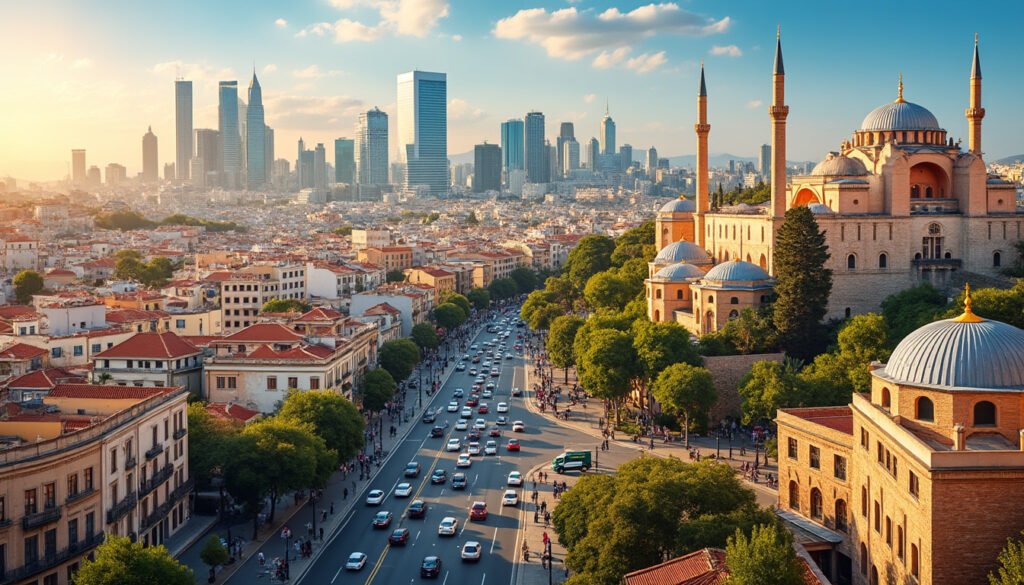
Step out of the Medina’s Bab el Bhar (Sea Gate), and you are instantly transported into another world. Avenue Habib Bourguiba, often called the Tunisian Champs-Élysées, is the vibrant heart of the modern city. Lined with ficus trees, cafés, theaters, and government buildings, this grand boulevard embodies the spirit of post-independence Tunisia. It is here that the city’s contemporary life unfolds, a place for commerce, leisure, and public gathering, showcasing a side of Tunis that is dynamic and forward-looking. The architectural style shifts dramatically, reflecting the French influence and the city’s aspirations as a modern North African capital.
Tunis’s Cultural Renaissance: More Than Just Monuments
While its history is a major draw, the “booming” nature of Tunis in 2026 is most evident in its flourishing cultural landscape. The city is experiencing a creative rush, with a new generation of artists, chefs, and designers reinterpreting its rich heritage in exciting ways. This energy makes it a truly dynamic place to explore, far beyond the typical tourist trail.
A Thriving Arts and Culinary Scene
From rooftop bars overlooking the city to avant-garde art galleries and concept stores, a fresh creative spirit is palpable. The culinary scene is particularly exciting, as chefs fuse traditional Tunisian flavors with modern techniques, offering a taste of the country’s diverse gastronomic legacy. This cultural dynamism is not confined to specific districts; it permeates the city, making it a place of constant discovery. Travelers seeking vibrant experiences will find that Tunis offers a wealth of activities that cater to all interests, blending historical exploration with contemporary pleasures.
Preserving a 3,000-Year-Old Legacy
This rapid modernization brings its own set of challenges, particularly concerning the preservation of its vast cultural heritage. Managing a living historic center like the Medina within a bustling metropolis is a complex task. Organizations are working tirelessly to protect these sites while promoting sustainable development, ensuring that the city’s growth does not erase its past. This delicate balance is key to Tunis’s identity and its appeal as a destination where heritage and modern life converge in a fascinating dialogue.
The Economic Engine of North Africa
Tunis is not just Tunisia’s cultural capital; it is its undeniable economic powerhouse. Its strategic location on the Mediterranean coast, a short distance from major European markets, has positioned it as a pivotal player in regional commerce. The city is a hub for governance, finance, and industry, attracting both domestic and international investment.
A Strategic Hub for Commerce and Investment
As a member of global city networks, Tunis is actively enhancing its role in international logistics and trade. The greater metropolitan area is well-connected, situated just 140 km from Sousse and 270 km from Sfax, the country’s other major economic centers. This connectivity makes it an ideal base for businesses looking to operate across North Africa. While exploring business or leisure, it’s always wise to stay informed about local conditions, a good practice whether you’re in Tunis or considering a trip to a different continent, such as learning about safety in Namibia for tourists.
Navigating the Challenges of Urban Growth
Like any rapidly expanding metropolis, Tunis faces challenges related to infrastructure, housing, and sustainable urban planning. The city’s administration is focused on managing this growth responsibly, ensuring that development benefits all its residents while maintaining the unique character that defines Tunis. Its location near the coast offers not just economic advantages but also quality of life, a gateway to the Mediterranean that has drawn people for millennia, and a different world from some of the beautiful beaches in Europe. This blend of opportunity and heritage is what makes the city’s trajectory so compelling to watch.
What is the best time of year to visit Tunis?
The best times to visit Tunis are during the spring (April to June) and autumn (September to October). The weather is pleasantly warm and ideal for exploring the city’s outdoor attractions without the intense heat of the summer months.
Is it safe to walk around the Medina of Tunis?
Yes, the Medina is generally safe for tourists to explore during the day. However, like any bustling market area, it’s wise to be aware of your surroundings and keep your valuables secure. The narrow alleys can be confusing, so having a map or a guide can be helpful.
Can I get by with English in Tunis?
While Arabic is the official language and French is widely spoken, you can get by with English in major tourist areas, hotels, and some restaurants. Learning a few basic Arabic or French phrases, such as greetings and thank yous, will be appreciated by locals.
What is a must-try Tunisian dish in Tunis?
You must try a traditional ‘couscous,’ which is a staple of Tunisian cuisine, often served with lamb or fish and a flavorful vegetable stew. Another local favorite is ‘brik,’ a thin pastry filled with an egg, tuna, and parsley, then deep-fried.