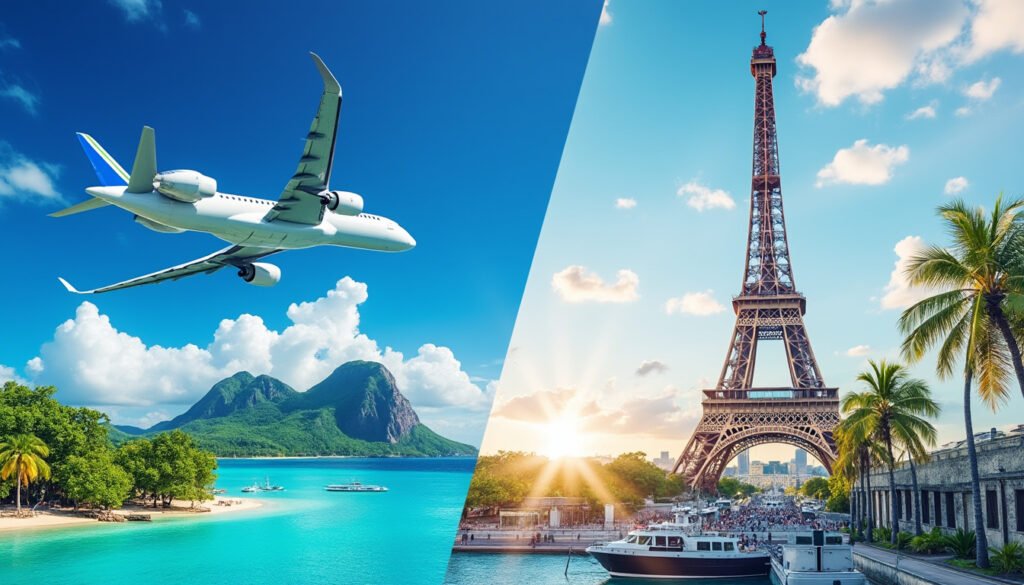

The allure of Martinique, with its vibrant culture, lush landscapes, and pristine beaches, often calls travelers from metropolitan France. However, bridging the Atlantic is no small feat, and a common question for eager visitors or returning residents is precisely how long this journey across the ocean truly takes. It’s more than just a number; it’s about understanding the logistics, preparing for the experience, and appreciating the vastness that separates these two distinct worlds. From the bustling streets of Paris to the tranquil shores of Fort-de-France, the flight isn’t merely a mode of transport but a significant part of the adventure, marking the transition from one reality to another. As property managers, we often advise clients on planning their visits, and knowing the ins and outs of travel time is paramount for a seamless itinerary, ensuring they arrive refreshed and ready to immerse themselves in island life, maximizing their experience from the moment they land.
Here’s a quick overview of what to expect when flying between Martinique and France:
- Direct Flight Duration: Typically ranges from 8 to 9 hours for non-stop services.
- Main Departure/Arrival Hubs: Paris (Orly, Charles de Gaulle) in France, Fort-de-France (Aimé Césaire International Airport) in Martinique.
- Key Airlines: Air France, Corsair, and French Bee are common carriers on this route.
- Factors Affecting Time: Jet streams, air traffic control, and the specific aircraft type can all influence the precise flight time.
- Preparation is Key: Understanding the duration helps immensely in planning for potential jet lag and optimizing your inflight comfort, ensuring a smoother transition.
Unraveling the Journey: Typical Flight Duration Between Martinique and France
For those contemplating a trip to the Pearl of the French Antilles or making their way back to mainland Europe, the primary consideration often revolves around the flight duration. A direct flight connecting Martinique and France is a significant transatlantic crossing, traversing approximately 6,800 kilometers (around 4,200 miles) of open ocean. Typically, passengers can expect to spend anywhere from 8 hours and 15 minutes to 8 hours and 50 minutes in the air for a non-stop journey. This window reflects the average for services departing from Paris’s major airports, such as Orly or Charles de Gaulle, bound for Fort-de-France’s Aimé Césaire International Airport (FDF). The experience is a unique blend of anticipation and endurance, a testament to modern aviation’s ability to shrink geographical distances while still requiring a considerable time commitment from travelers. Understanding this baseline is crucial for setting expectations and preparing for what lies ahead, ensuring a well-managed itinerary from the outset.
Direct Flight Estimates: Paris to Fort-de-France
The vast majority of direct flights to Martinique originate from Paris, primarily from Orly Airport (ORY), which has historically been the main hub for Caribbean routes, and occasionally from Charles de Gaulle Airport (CDG). These non-stop services are the most efficient way to travel, bypassing the need for connections that can significantly extend total travel time. For instance, a flight from Paris-Orly to Fort-de-France often clocks in around 8 hours and 20 minutes. Slight variations can occur depending on the specific airline, the aircraft model used, and even the time of year, which can influence prevailing winds. This direct link is a vital artery, connecting families, businesses, and tourists between these two distant territories, ensuring that the charm of the Caribbean is always within a day’s reach, albeit a long day of travel. It underscores the importance of a clear, unencumbered path for such an essential connection.
Beyond the Clock: Factors Shaping Your Flight Time
While an average duration provides a good starting point, the actual time spent airborne can fluctuate due to several dynamic factors. It’s not simply a matter of distance divided by speed; the intricate ballet of aviation involves complex meteorological conditions, air traffic control, and even the specific characteristics of the aircraft itself. These elements combine to create a flight experience that, while meticulously planned, remains subject to the unpredictable forces of nature and the demanding logistics of global travel. Understanding these influences can help demystify why one flight might arrive a few minutes earlier or later than another, even on the same route, fostering a more informed and less anxious travel perspective. For a curious mind, delving into these nuances reveals the fascinating complexity behind every flight.
The Influence of Jet Streams and Air Traffic
One of the most significant natural phenomena impacting transatlantic flights is the jet stream. These powerful, high-altitude winds blow from west to east across the Atlantic. Consequently, flights from France to Martinique (westbound) often fly against the jet stream, which can slightly increase flight duration. Conversely, return flights from Martinique to France (eastbound) frequently benefit from a tailwind provided by the jet stream, often shortening the journey by 30 minutes to an hour. Beyond nature’s hand, air traffic control plays a crucial role. Busy airspace around major hubs, especially during peak travel seasons or specific times of day, can necessitate rerouting or holding patterns, adding precious minutes to the overall travel time. In 2026, with air travel demand continually evolving, these factors remain as pertinent as ever, underscoring the constant adjustments required for safe and efficient air travel.
Aircraft Type and Routing Variations
The type of aircraft deployed on a route also contributes to flight duration. Modern, fuel-efficient wide-body jets like the Airbus A350 or Boeing 787 often have optimized cruising speeds and longer ranges, potentially allowing for slightly faster or more direct routes compared to older models. Airlines continuously update their fleets to enhance efficiency and passenger comfort, striving to offer the best possible experience. Furthermore, while the general flight path remains consistent, minor routing adjustments might occur for operational reasons, such as avoiding turbulent weather cells or navigating military airspace restrictions. These subtle changes, though often unnoticed by passengers, are carefully calculated by flight planners to ensure both safety and efficiency, influencing the precise moments of departure and arrival and highlighting the meticulous choreography of every journey.
Navigating the Skies: Key Routes and Airline Choices
When planning a trip between Martinique and France, the choice of departure and arrival airports, as well as the airline, significantly impacts the overall travel experience, not just in terms of duration but also comfort and convenience. While direct flights are highly sought after for their efficiency, understanding the common routes and the main carriers operating them provides a comprehensive overview for any traveler. This knowledge empowers individuals to make informed decisions that align with their schedule, budget, and personal preferences, transforming a potentially daunting journey into a well-managed itinerary, reflective of a professional approach to travel planning. It’s about optimizing every aspect of the travel chain, much like managing a complex property portfolio.
Principal Departure Points in France
Paris stands as the undisputed gateway for travel to Martinique from mainland France. Orly Airport (ORY), located south of the capital, has traditionally been the primary hub for flights to the French Overseas Departments, offering a wide array of services. Charles de Gaulle Airport (CDG), the larger international airport north of Paris, also offers flights, though less frequently for direct Martinique routes compared to Orly. Travelers from other French cities, such as Lyon, Marseille, or Bordeaux, will typically take a connecting flight to Paris before embarking on their transatlantic journey. This connection adds at least a few hours to the overall travel time, making the total journey from provincial cities closer to 10-12 hours, including layover time. Therefore, careful consideration of your starting point in France is essential.
Major Airlines Connecting the Continents
Several reputable airlines operate the route between Martinique and France, each offering varying levels of service and amenities. Air France, as the national carrier, provides frequent and reliable direct flights, often from both Orly and CDG, known for its extensive network. Corsair is another prominent player, recognized for its competitive pricing and direct services from Orly, often catering to leisure travelers. French Bee, a low-cost long-haul airline, has also made a significant mark, offering attractive fares for direct flights from Orly, appealing to budget-conscious passengers. These airlines not only compete on price but also on in-flight experience, baggage allowances, and scheduling, giving passengers a range of options to consider based on their priorities for the long journey ahead. Selecting the right carrier can significantly shape your entire travel experience.
- Air France: Renowned for its extensive network, diverse service classes, and reliable scheduling.
- Corsair: Often a strong contender for competitive fares, especially popular with travelers seeking direct flights and specific holiday packages.
- French Bee: Offers a no-frills, low-cost model, ideal for those prioritizing affordability while maintaining direct flight convenience.
- Other European Carriers: While not offering direct flights, some may provide connecting services via other European hubs, which can be an option if direct flights are fully booked or significantly more expensive.
Elevating Your Journey: Tips for a Smoother Transatlantic Flight
While the flight duration is a fixed reality, how you experience those hours is largely within your control. Preparing effectively for a long-haul flight can transform it from a test of endurance into a more comfortable and even enjoyable part of your travel adventure. As professionals managing logistics and ensuring seamless operations, we understand the value of foresight and meticulous planning. Applying this same proactive approach to your personal travel can make all the difference, allowing you to arrive in Martinique feeling refreshed and ready to embrace the island’s charm, rather than battling the aftermath of a strenuous journey. It’s about taking charge of your experience, much like expertly managing a complex business project.
Battling Jet Lag and Ensuring Comfort
Jet lag is an inevitable companion on a flight spanning multiple time zones. To mitigate its effects, begin adjusting your sleep schedule a few days before departure by gradually shifting towards your destination’s time zone. Onboard, staying hydrated is paramount – drink plenty of water and limit caffeine and alcohol. Utilize comfortable clothing, compression socks, and consider bringing an eye mask and noise-canceling headphones to aid sleep. During the flight, moving around every couple of hours, stretching, and doing simple exercises can significantly improve circulation and reduce stiffness, making those 8+ hours feel less daunting. A little preparation goes a long way in ensuring your arrival is as vibrant as the destination itself, allowing you to fully appreciate Martinique from day one.
Smart Packing and In-Flight Entertainment
Smart packing extends beyond your luggage to your carry-on bag, which becomes your survival kit for the flight. Pack essentials like a travel pillow, a light blanket or shawl (cabin temperatures can vary), medications, and any personal comfort items. For entertainment, download movies, TV shows, podcasts, and e-books beforehand, as relying solely on in-flight systems can be limiting or unreliable. Don’t forget portable chargers or power banks for your devices, ensuring your gadgets stay powered for the entire journey. A curious traveler might also pack a journal or a book about Martinique, using the flight time to immerse themselves in the culture even before landing. This proactive approach ensures that boredom is kept at bay and you have all you need within arm’s reach, making the long hours fly by.
Here are some essential items for your carry-on bag, reflecting a proactive approach to travel comfort:
- A comfortable neck pillow and an eye mask to facilitate rest.
- Noise-canceling headphones or earplugs to create a personal quiet zone.
- A refillable water bottle, to be filled after security, to ensure constant hydration.
- Healthy snacks, such as nuts, fruit, or energy bars, to avoid relying solely on airline food.
- A personal hygiene kit, including a toothbrush, toothpaste, and moisturizer, for a refresh.
- A portable power bank and all necessary charging cables for electronic devices.
- A variety of entertainment options: books, downloaded movies, music, and podcasts.
- Any necessary prescription medications, kept readily accessible.
- A light layer of clothing, like a cardigan or shawl, to adapt to fluctuating cabin temperatures.