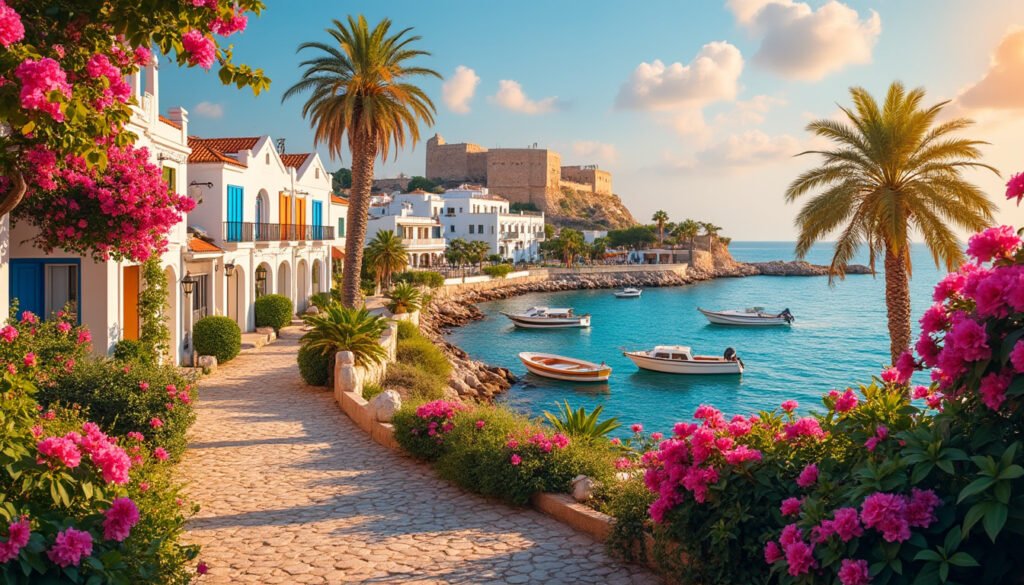

Hammamet often conjures images of endless golden beaches and sprawling all-inclusive resorts, a sun-soaked destination seemingly designed for the sole purpose of relaxation. This perception, while not entirely wrong, barely scratches the surface of what this Tunisian coastal town truly offers. To dismiss it as just another seaside getaway is to miss the vibrant pulse of its ancient medina, the echoes of Roman history in its nearby ruins, and the rich cultural tapestry woven into its daily life. Beyond the tourist-centric facade of Yasmine Hammamet lies a world of authentic experiences, from the scent of jasmine and spices in narrow, cobbled alleys to the artistic legacy left by a Romanian aristocrat. This is a place with a dual identity, where the timeless charm of North African tradition coexists with polished modern leisure. A curious traveler will find that Hammamet’s story is told not just on its shoreline, but in its formidable kasbah, its bustling souks, and its quiet, art-filled gardens, offering a journey that is as much about discovery as it is about unwinding.
In brief, here’s what to expect from a trip to Hammamet:
- A journey through two Medinas: the authentic, historic old town and the modern, purpose-built Yasmine Hammamet.
- Exploration of the 9th-century Kasbah with panoramic views of the bay.
- Relaxation on clean, golden beaches with opportunities for various water sports.
- Cultural immersion through visits to Dar Sebastien, traditional hammams, and local cooking workshops.
- Easy day trips to discover Roman ruins at Pupput and the famous pottery markets of Nabeul.
Unveiling the Historic Heart of Hammamet
The true soul of Hammamet resides within the ancient walls of its Medina. Stepping through its gates feels like entering another era. Here, the classic Tunisian blue and white color palette dominates, adorning narrow, winding streets and intricately decorated doors. It’s an atmospheric labyrinth where every turn reveals a new sight, from artisan workshops displaying handcrafted leather goods to colorful displays of spices that fill the air with an exotic perfume. This is the perfect place to wander without a map, allowing the sights and sounds to guide your exploration. Keep an eye out for the friendly “Medina cats” that lounge languidly in sunny spots, seemingly the unofficial guardians of the old town.
A Stroll Through the Timeless Medina
Unlike its modern counterpart, the old Medina is a living, breathing part of the city. While it’s a fantastic place to shop for souvenirs in the lively souk, it also offers a genuine glimpse into local life. The best times to visit are in the morning or late afternoon when the temperatures are cooler and the crowds are thinner. Haggling is part of the culture here, so be prepared to engage in a friendly negotiation for that perfect ceramic bowl or hand-woven scarf. For a moment of tranquility, pause outside the Great Mosque, or Masjid Al Kabeer. Built in the 12th century, its simple white walls and elegant minaret are a testament to classic Islamic and North African architectural styles.
Climbing the Ancient Walls of the Kasbah
Dominating the seafront, the Hammamet Kasbah is an impressive fortress that has stood guard over the city for centuries. Originally built in the 9th century and heavily fortified in the 1400s, this historic structure is a must-see. A walk along its ramparts provides breathtaking views across the whitewashed rooftops of the Medina on one side and the sparkling Mediterranean Sea on the other. Inside, a small museum offers a peek into the region’s rich history. The climb to the top is the real highlight, offering a panoramic vista that is especially magical at sunset, when the golden light bathes the entire town in a warm glow.
Modern Marvels and Coastal Charms
Just a few kilometers south of the old town lies Yasmine Hammamet, a modern, purpose-built resort area that presents the other face of the city. Its centerpiece, Medina Yasmine Hammamet, is a fascinating creation. Built in the late 1990s, it masterfully recreates the style of a traditional medina with ornate gates, high walls, and bustling streets. While it may lack the historical authenticity of its older sibling, it offers a lively and welcoming atmosphere, especially in the evening when lights are strung across the walkways and live music fills the air. It’s a great place for an evening stroll and offers plenty of dining options.
Yasmine Hammamet: A Modern Take on Tradition
Inside the new Medina, shops and stalls sell everything from predictable holiday souvenirs to finely crafted goods. It’s an ideal place to enjoy a glass of “thé aux pignons,” the traditional Maghrebi mint tea served with pine nuts, at a café like Café el Bay. The experience is a blend of a tea lounge, coffee house, and shisha bar, often accompanied by live traditional music. It encapsulates the spirit of Yasmine Hammamet: a modern interpretation of Tunisian culture designed for enjoyment and entertainment. For a comprehensive look at both sides of the city, a Two Medinas Tour can be a great way to experience these contrasting worlds.
From Sandy Shores to Marina Strolls
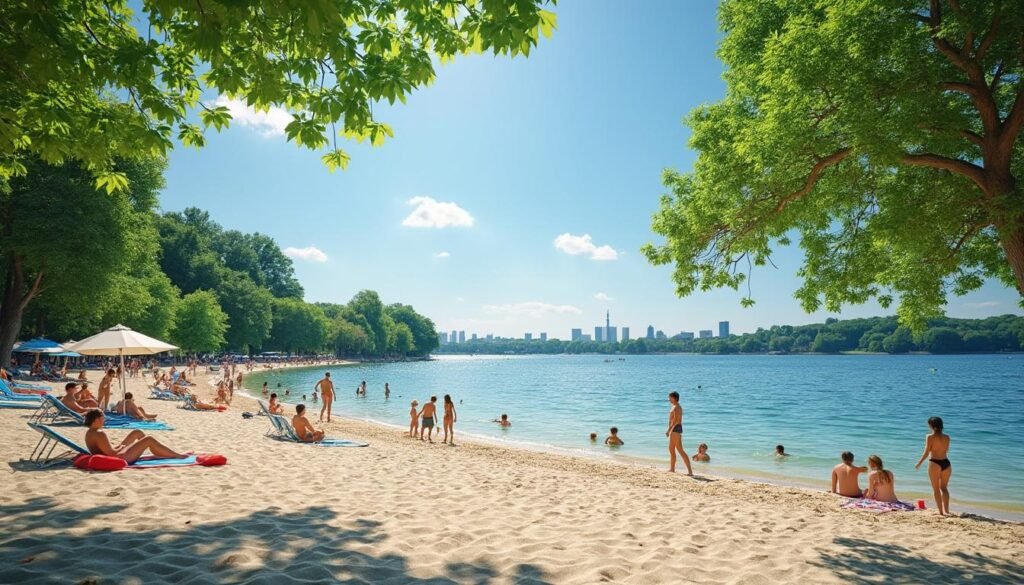
Hammamet is famous for its long coastline of clean, golden sand and calm, shallow waters perfect for swimming. Whether you want to relax on a lounger with a book or get adventurous with water sports like parasailing and jet skiing, the beaches have something for everyone. For a more polished coastal experience, the Yasmine Hammamet Marina is an upscale spot lined with shops, cafés, and restaurants. It’s a lovely place for a walk along the promenade, watching the boats bob gently in the water. Grabbing a seat at an upstairs terrace of a waterfront café offers fantastic views over the port, particularly at sunset.
Immersive Cultural and Culinary Experiences
To truly connect with the local culture, you have to go beyond the main sights. Hammamet offers plenty of hands-on activities that provide a deeper understanding of Tunisian life. One of the most authentic things you can do is visit a traditional hammam, or public bathhouse, from which the city gets its name. For centuries, these have been places to cleanse, socialize, and relax. You can opt for a rigorous, traditional scrub at a local spot like Hammam El Bahia or a gentler spa-style version offered by many hotels, often incorporating thalassotherapy using marine-based products.
The Art of Tunisian Cuisine: More Than Just Couscous
One of the best ways to understand a culture is through its food. A Tunisian cooking workshop allows you to roll up your sleeves and learn to prepare classic dishes like brik, tagines, or the perfect couscous. Many workshops start with a trip to a local market to select fresh herbs, spices, and seasonal vegetables. For a truly unique experience, some classes are held in the countryside just outside Hammamet, where you might learn to bake bread in a traditional wood oven and enjoy a shared meal with stunning views. You’ll leave not just with new recipes, but with warm memories of a personal cultural exchange.
Dar Sebastien: A Villa of Art and History
Built in the 1920s by Romanian aristocrat George Sebastian, the villa now known as Dar Sebastien is a stunning example of Moorish and modernist architecture. Once a playground for guests like Winston Churchill and Coco Chanel, today it serves as the International Cultural Centre of Hammamet. Though time has given it a faded glamour, its elegant terraces and colonnaded pool are still breathtaking. The villa hosts art exhibitions and, most famously, the Hammamet International Festival each summer in its open-air amphitheater overlooking the sea. Exploring its gardens, with their hedge archways and hidden sculptures, feels like stepping into a forgotten oasis of creativity.
- Must-Try Experiences in Hammamet:
- Get lost in the narrow blue-and-white streets of the old Medina.
- Watch the sunset from the top of the historic Kasbah.
- Experience a traditional body scrub at a local hammam.
- Sip a mint tea with pine nuts at a café in Yasmine Hammamet.
- Explore the art and gardens of the iconic Dar Sebastien.
Exploring Beyond the City Limits
While Hammamet itself has plenty to offer, it also serves as an excellent base for exploring the surrounding Cap Bon Peninsula. Several fascinating destinations are just a short trip away, offering further insight into the history and culture of Tunisia. Whether you’re interested in ancient history, traditional crafts, or simply discovering less-crowded beaches, a day trip is a fantastic addition to any Hammamet itinerary.
The Pottery and Markets of Nabeul
Just a short drive from Hammamet, the town of Nabeul is famous for its vibrant pottery and traditional crafts. The Friday market, one of the largest in Tunisia, is a sensory overload in the best way possible. Stalls are filled with everything from fresh produce and fragrant spices to beautiful handcrafted ceramics. It’s the perfect place to watch artisans at work and perhaps even join a pottery workshop to create your own souvenir. Nabeul is also the birthplace of harissa, Tunisia’s fiery chili paste, which has been recognized by UNESCO as part of the country’s intangible cultural heritage.
A Glimpse into the Roman Past at Pupput
For history enthusiasts, the ancient ruins of Pupput offer a fascinating look into the region’s Roman and Byzantine past. Located between Hammamet and Yasmine Hammamet, the archaeological site reveals the outlines of villas, Roman baths, and a necropolis. While the site is not perfectly preserved, with a bit of imagination, you can easily picture the bustling town that once stood here. The ground is uneven and there’s little shade, so it’s best to visit in the cooler hours of the morning or late afternoon with sturdy shoes and plenty of water.
What is the best time of year to visit Hammamet?
The best times to visit Hammamet are during the spring (April to June) and autumn (September to October). During these months, the weather is pleasantly warm, perfect for both beach activities and sightseeing, and the crowds are smaller than in the peak summer months of July and August.
Is Hammamet a good destination for families?
Yes, Hammamet is very family-friendly. The calm, shallow waters of its beaches are safe for children, and many hotels offer kids’ clubs and family-oriented activities. Attractions like Carthage Land theme park in Yasmine Hammamet and various water sports provide plenty of entertainment for all ages.
What should I wear when visiting religious sites like the Great Mosque?
When visiting mosques or other religious sites in Tunisia, it is important to dress modestly out of respect. This means both men and women should wear clothing that covers their shoulders and knees. Women are also typically required to cover their hair with a scarf before entering a prayer hall.
How do I get around Hammamet?
Getting around Hammamet is relatively easy. For short distances within the city center or the Medina, walking is the best option. For longer trips, such as between the old town and Yasmine Hammamet, taxis are readily available and affordable. Just be sure to agree on a fare before starting your journey or ask the driver to use the meter.