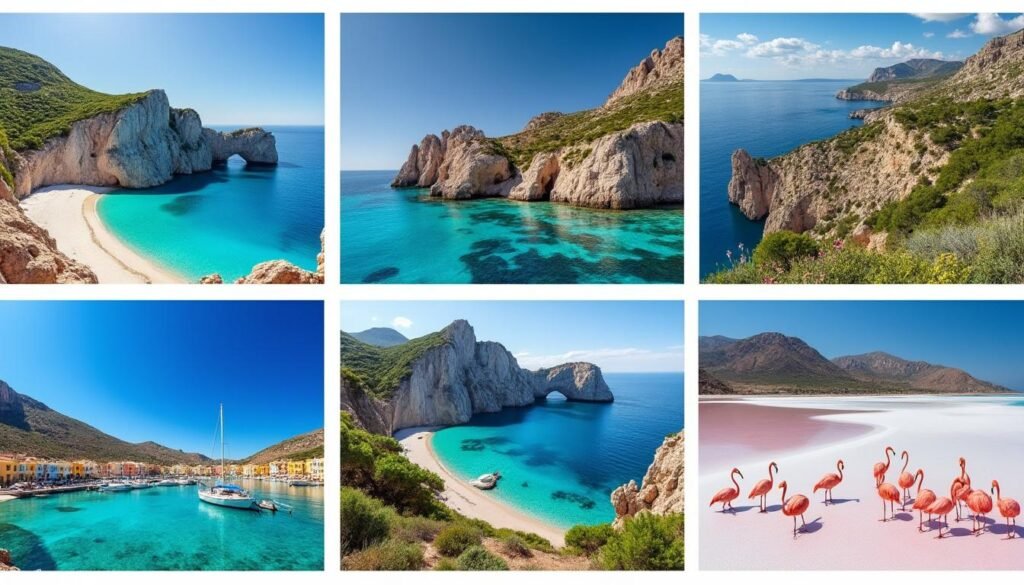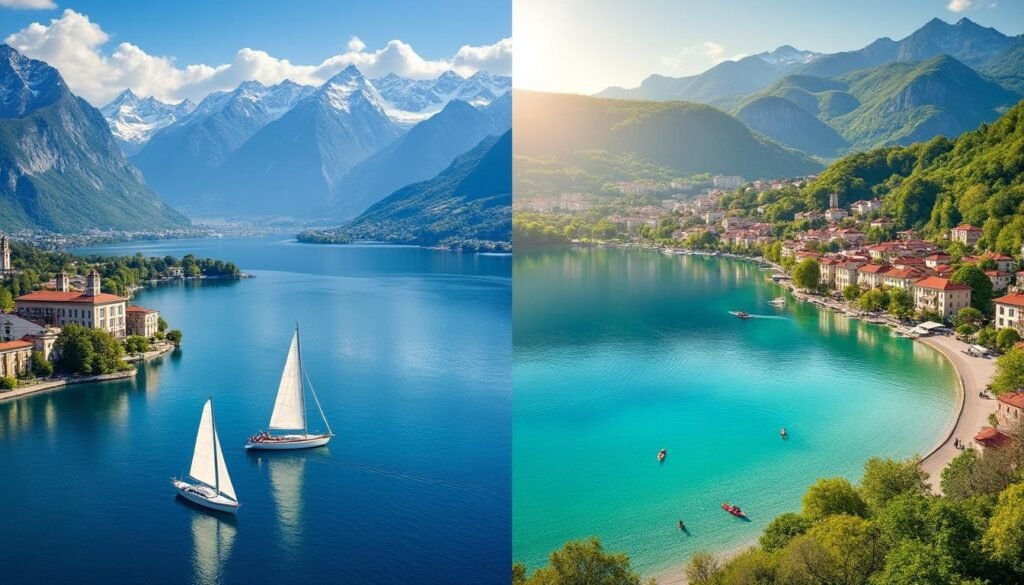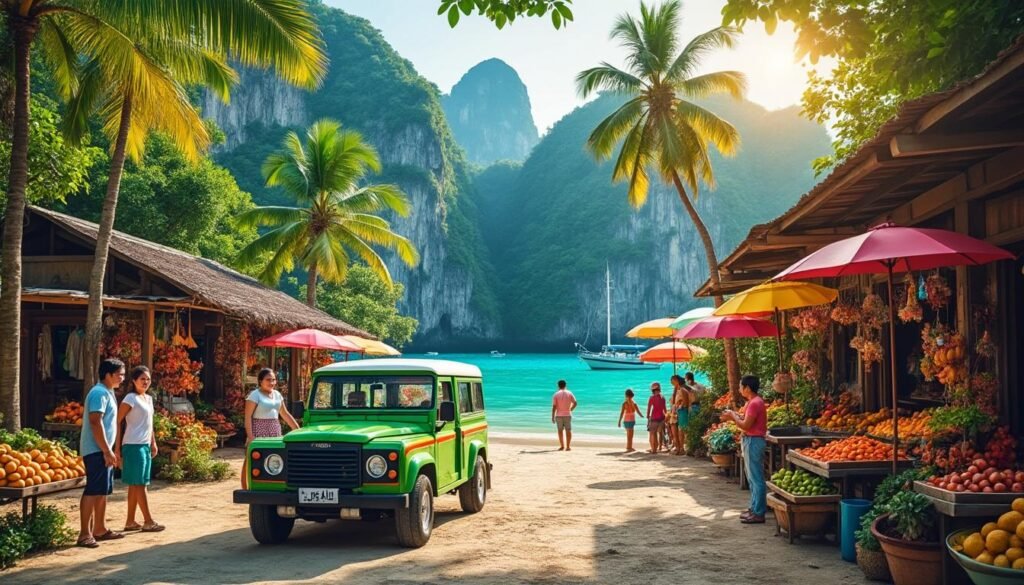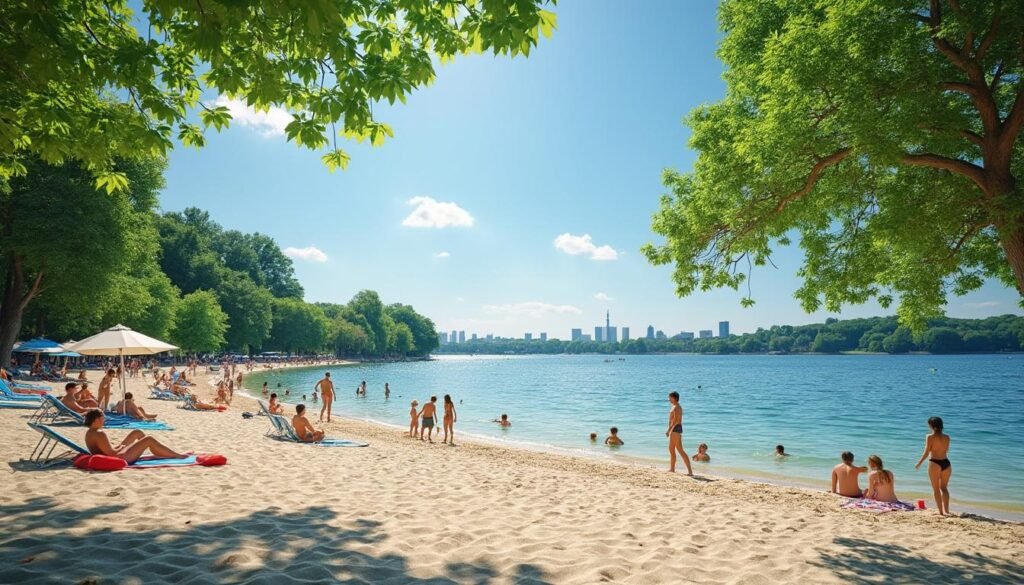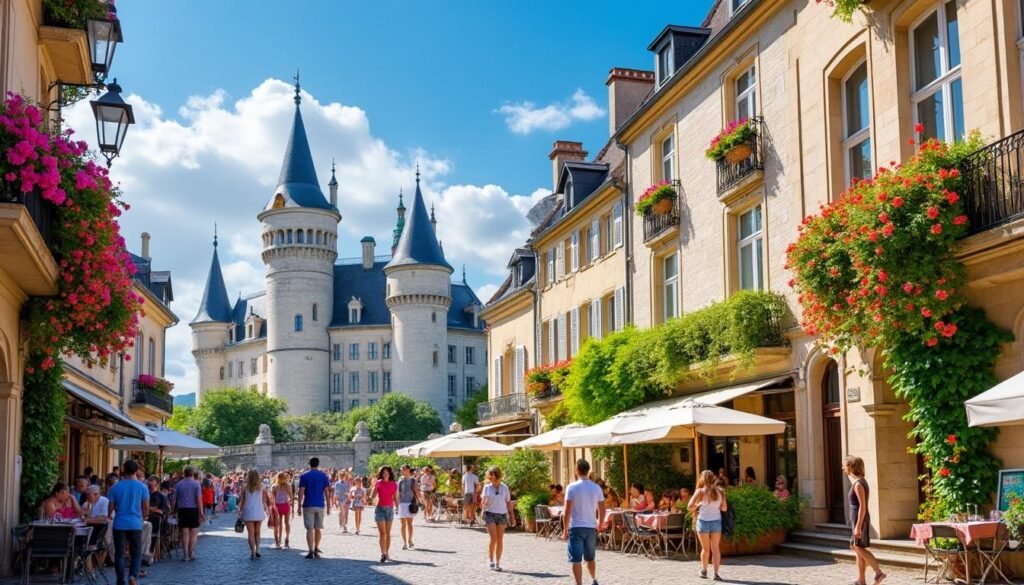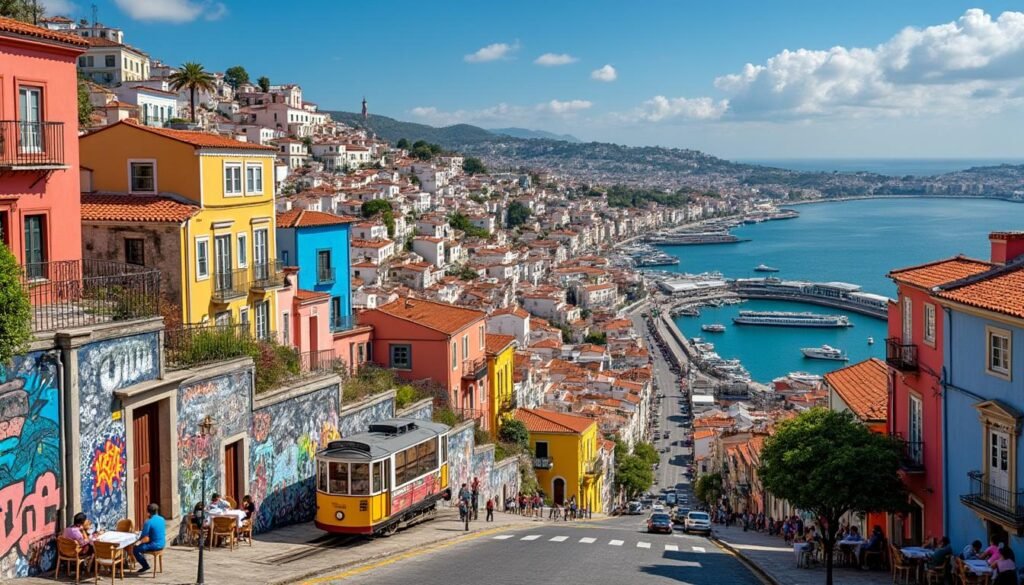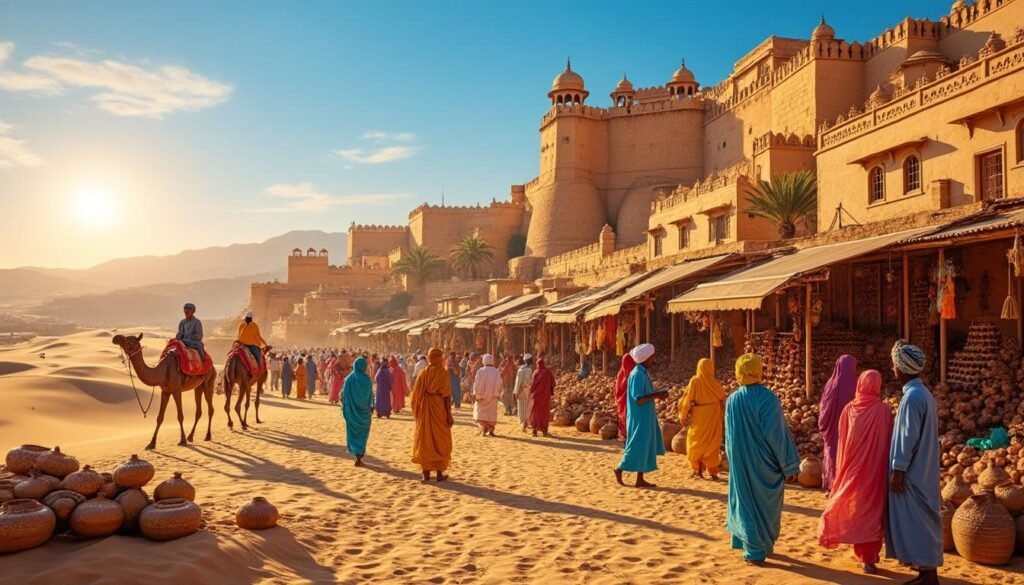
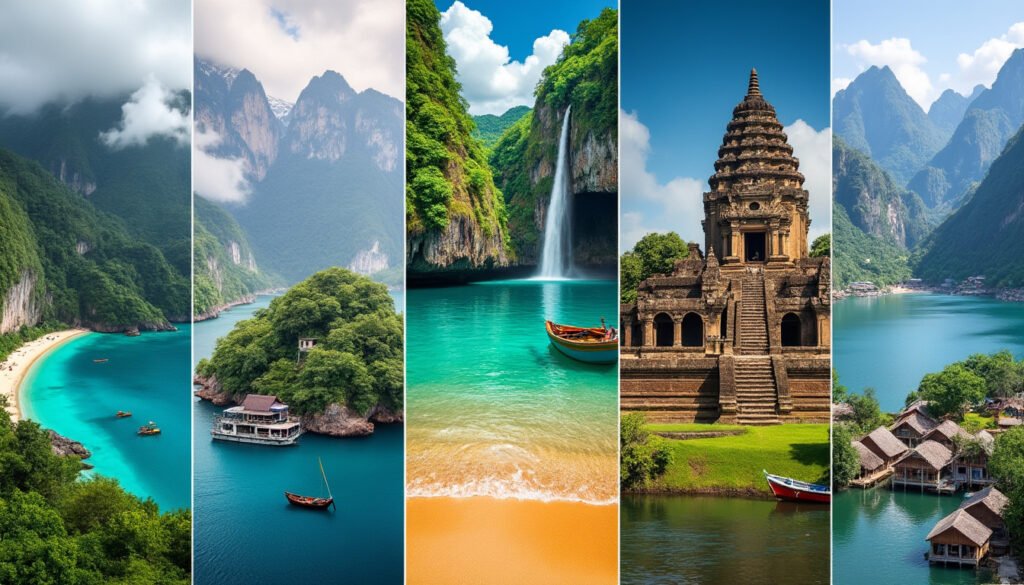

While the world’s most famous landmarks draw endless crowds, a different kind of adventure awaits those willing to step off the well-trodden path. The relentless cycle of popular tourism can often dilute the very essence of discovery, leaving travelers with a sense of déjà vu rather than genuine wonder. Are you tired of navigating through a sea of selfie sticks just to catch a fleeting glimpse of an overcrowded monument? Do you yearn for journeys that offer authentic connection, unspoiled landscapes, and stories that haven’t been told a thousand times over? The solution lies not in traveling more, but in traveling differently. By turning our compass towards destinations that remain just under the radar, we unlock a world of profound experiences. These hidden gems, often overshadowed by their more famous neighbors, are brimming with rich culture, breathtaking nature, and the kind of raw, unfiltered beauty that inspires true wanderlust. They offer a chance to explore ancient cities without the queues, to connect with local traditions that are still vibrantly alive, and to witness landscapes so pristine they feel like a secret whispered just for you. This is travel as it was meant to be: a true exploration into the heart of the unknown.
In Brief:
- Discover seven countries that offer remarkable experiences away from mainstream tourism.
- Explore destinations rich in culture, from Albania’s Ottoman heritage to Bolivia’s ancient indigenous traditions.
- Uncover breathtaking and unique landscapes, including Namibia’s Skeleton Coast and Slovenia’s Adriatic shores.
- Find adventure in places like the San Blas Islands of Panama and the serene riverside town of Luang Prabang in Laos.
- Learn why these lesser-known nations provide a more authentic and rewarding travel experience.
Albania: The Stone City and Ottoman Ghosts
Nestled in the Balkans, Albania remains one of Europe’s best-kept secrets. The UNESCO World Heritage site of Gjirokastër, known as the “Stone City,” is a mesmerizing journey back in time. Its steep cobblestone streets are lined with distinctive stone-roofed houses that create a unique and imposing landscape. Dominating the city is the Gjirokastër Castle, which offers panoramic views of the Drino Valley and a fascinating glimpse into the region’s tumultuous history. The city’s vibrant bazaar and beautifully preserved Ottoman-era architecture transport visitors to another era. Unlike its more crowded Mediterranean neighbors, Albania offers an authentic and affordable experience, making it one of the most underrated countries to visit for history buffs. The preserved Ottoman style is a stark contrast to the baroque beauty found elsewhere in the Mediterranean, such as the must-sees in San Remo.
Slovenia: A Venetian Dream on the Adriatic
Tucked between Italy and Croatia, the Slovenian coastline is often overlooked, yet it holds one of the most picturesque towns on the Adriatic Sea: Piran. This coastal gem feels like a miniature Venice, with its narrow winding streets, pastel-colored buildings, and a bustling central square named after the violinist Giuseppe Tartini. Visitors can climb the ancient town walls for breathtaking views of the terracotta roofs and the shimmering sea or walk up to the Church of St. George to feel the sea breeze. Piran’s charm lies in its relaxed atmosphere, where you can savor fresh seafood at a waterfront restaurant without the overwhelming crowds of its Italian counterparts. Its architecture, reminiscent of Venice, offers a glimpse into a shared history, much like the charm found in Italy’s own coastal gems.
Georgia: Where Europe and Asia Collide
Georgia is a country of incredible diversity, vibrant culture, and legendary hospitality. Its capital, Tbilisi, is a captivating mix of old and new. The Old Town is a labyrinth of winding alleys, colorful carved balconies, and ancient churches, all watched over by the centuries-old Narikala Fortress. A unique feature of the city is its famous sulfur baths in the Abanotubani district, offering a relaxing and historic experience. Beyond the capital, the country boasts the soaring peaks of the Caucasus Mountains, ancient cave monasteries, and the world’s oldest winemaking tradition. Georgia’s eclectic charm and dynamic energy make it a destination that constantly surprises and delights.
Laos: Serenity on the Mekong River
For those seeking a more tranquil Southeast Asian experience, Luang Prabang in Laos is a perfect escape. This serene riverside town, a UNESCO World Heritage site, is a beautiful blend of traditional Lao wooden houses and French colonial architecture. The pace of life here is slow and measured, revolving around the rhythms of the Mekong River. A must-see is the morning alms-giving ceremony, Tak Bat, where hundreds of saffron-robed monks walk silently through the streets collecting offerings. Visitors can explore the numerous gilded temples, swim in the turquoise waters of Kuang Si Falls, or simply relax at a riverside café and watch the world go by. Luang Prabang offers a glimpse into a culture that values spirituality and simplicity above all else.
Panama: The Pristine Paradise of the Guna Yala
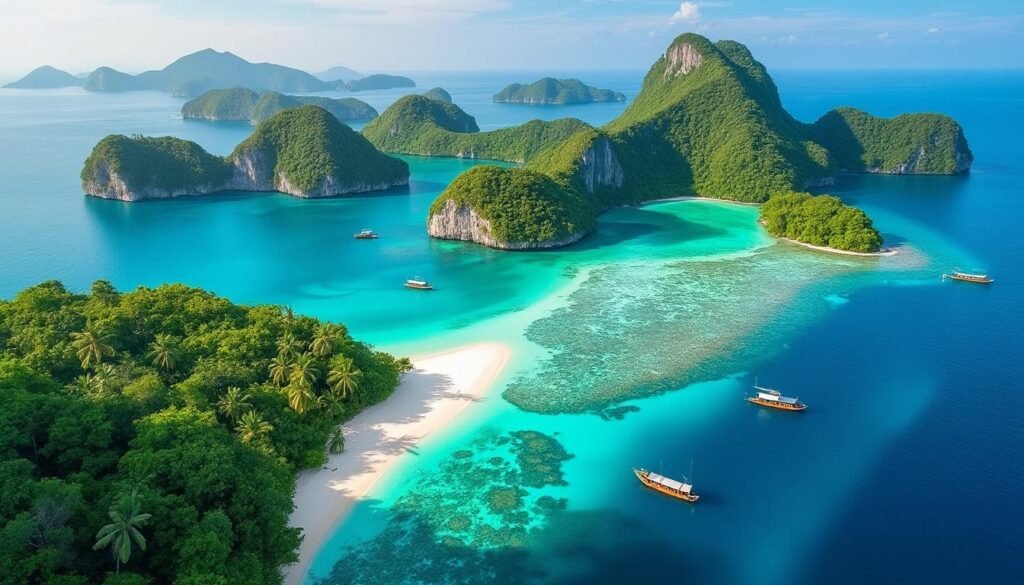
While Panama is known for its canal, its true treasure lies in the San Blas Islands, an archipelago of over 365 islands and cays on the Caribbean coast. This autonomous territory is governed by the indigenous Guna people, who have preserved their culture and the islands’ pristine environment. Here, you’ll find postcard-perfect scenes of white-sand beaches, crystal-clear turquoise waters, and thatched-roof huts. Life is simple and disconnected from the modern world. Days are spent snorkeling among vibrant coral reefs, sailing between deserted islands, or learning about the Guna way of life. It’s an ideal destination for travelers seeking an authentic and off-the-grid tropical escape.
Bolivia: Otherworldly Landscapes and Ancient Cultures
Bolivia is a land of dramatic superlatives and one of South America’s most captivating destinations. Its most famous attraction is the Salar de Uyuni, the world’s largest salt flat. During the rainy season, a thin layer of water transforms it into a gigantic mirror, creating surreal, dreamlike reflections of the sky. The country is also home to La Paz, the world’s highest capital city, where a bustling “Witches’ Market” and a modern cable car system provide a unique urban experience. Beyond the salt flats, travelers can explore pre-Incan ruins at Tiwanaku or navigate the waters of Lake Titicaca. Bolivia’s strong indigenous heritage is visible in its colorful festivals and markets, offering deep insight into ancient cultures.
Namibia: The Haunting Beauty of the Skeleton Coast
For the truly adventurous, Namibia’s Skeleton Coast offers a landscape unlike any other on Earth. This remote and desolate stretch of coastline is where the vast dunes of the Namib Desert meet the crashing waves of the Atlantic Ocean. It is famously named for the whale bones and numerous shipwrecks that litter its shores, half-swallowed by the shifting sands. This hauntingly beautiful wilderness is a place of solitude and raw nature. A safari here is an extraordinary experience, offering chances to spot desert-adapted wildlife like elephants, lions, and the elusive brown hyena. Exploring this region provides a profound sense of adventure and a humbling perspective on the power of nature. It’s one of those unique travel destinations that will leave a lasting impression.
What is the best time to visit these lesser-known countries?
The best time varies by country. For European destinations like Albania and Slovenia, late spring (May-June) and early autumn (September-October) are ideal to avoid summer crowds and enjoy pleasant weather. For Laos, the dry season from October to April is best. Bolivia’s Salar de Uyuni is spectacular year-round, but the ‘mirror effect’ occurs during the rainy season from December to April.
Are these destinations safe for solo travelers?
Generally, yes. These countries are considered safe for tourism, but like any travel, it’s important to take standard precautions. Research specific local customs, stay aware of your surroundings, and inform someone of your itinerary. Destinations like Luang Prabang in Laos and Piran in Slovenia are particularly known for their safe and welcoming atmosphere.
How is the tourist infrastructure in these places?
Infrastructure varies. Destinations like Slovenia and Georgia have well-developed tourist facilities, including a range of accommodations and transportation options. In more remote areas like Panama’s San Blas Islands or parts of Namibia, expect more basic, eco-lodge style accommodations that are part of the authentic experience. It’s always a good idea to book key transport and lodging in advance, especially in less-traveled regions.
Do I need a visa to visit these countries?
Visa requirements depend on your nationality. For many Western passports, countries like Georgia, Albania, and Panama offer visa-free entry for short tourist stays. However, rules can change, so it is crucial to check the latest visa requirements with the embassy or consulate of each country well before your planned departure.