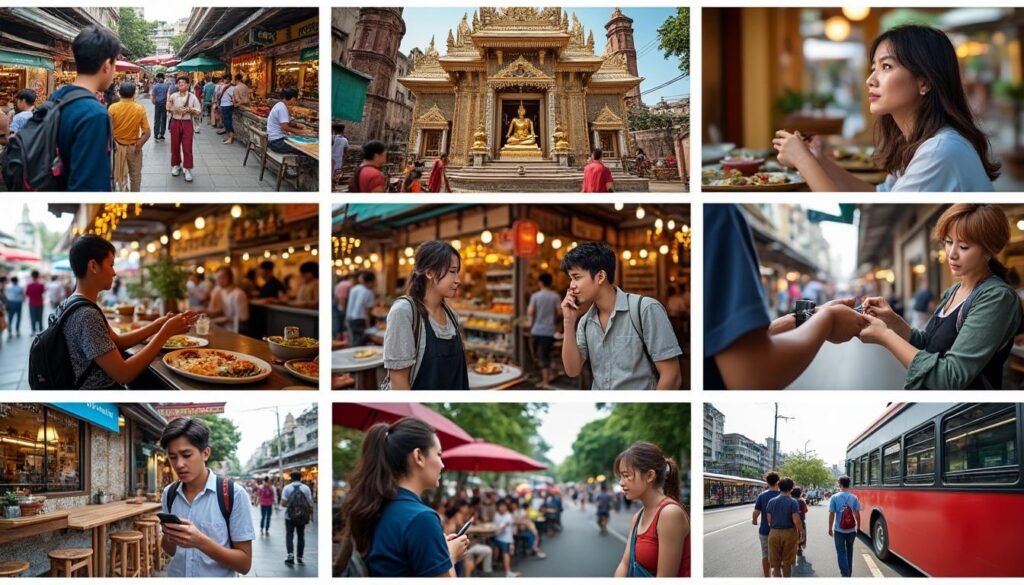
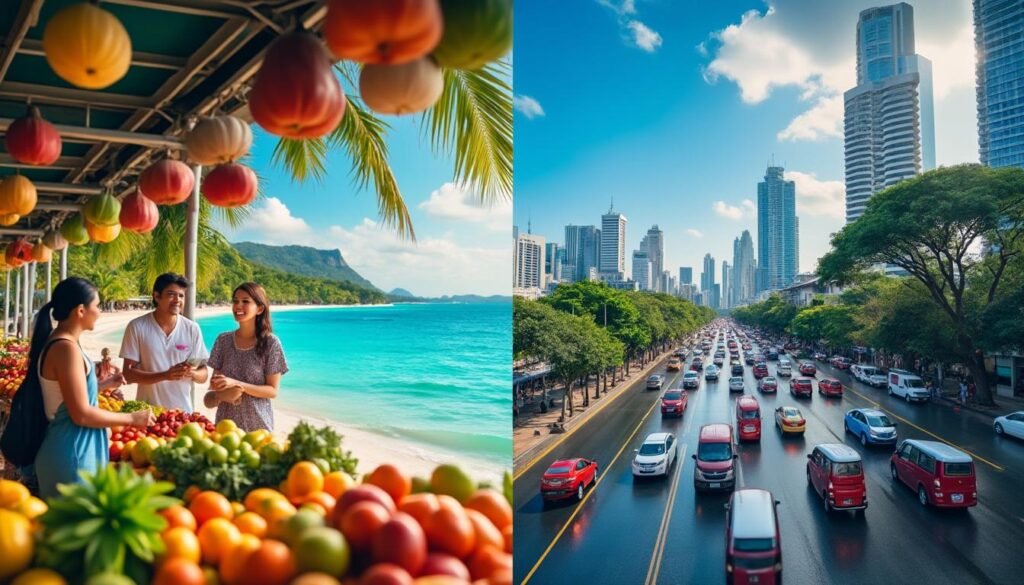

Thailand presents a captivating paradox for those looking to call it home. On one hand, it’s the postcard-perfect dream: a tropical haven where vibrant street food, ancient temples, and stunning beaches are the backdrop to a life that costs a fraction of what it might in the West. This image of an improved work-life balance, fueled by affordability and a laid-back culture, has drawn expats for decades. The “Land of Smiles” promises an escape from the mundane, a chance to trade rush hour traffic for serene sunsets and boardrooms for beachside cafes. It’s an intoxicating vision of a life less ordinary, where adventure and cultural immersion are part of the daily routine.
However, peeling back the layers of this idyllic vision reveals a more complex reality. The very things that make Thailand unique can also present the steepest learning curves for newcomers. The infamous bureaucracy can feel like a labyrinth of paperwork and ever-shifting rules, particularly concerning visas and work permits. The cultural nuances, from the importance of “saving face” to a more fluid concept of time, can lead to misunderstandings and frustration. Daily life in bustling metropolises like Bangkok brings its own set of challenges, including intense traffic, seasonal air pollution, and a pace that can feel anything but relaxed. A successful move requires more than just a passport; it demands resilience, an open mind, and a clear-eyed understanding of both the incredible highs and the inevitable lows.
In brief
- Affordable Living: The cost of living is a major draw, though it is steadily increasing in popular expat hubs like Bangkok and Phuket.
- Cultural Immersion: Thailand offers a rich cultural experience, from its world-famous cuisine to its Buddhist traditions, but requires a significant adjustment in communication styles and social etiquette.
- Visa Complexity: Navigating the Thai visa system is a persistent challenge for many expats, with regulations that can be confusing and subject to change.
- Healthcare System: The country boasts world-class private hospitals, but access to this level of care necessitates comprehensive health insurance. Public healthcare quality can vary significantly.
- Urban Challenges: While offering incredible amenities, major cities face issues like severe traffic congestion and significant air pollution during certain seasons.
- Work-Life Balance: Many expats find a more relaxed pace of life, though the job market for foreigners is competitive and restricted in certain fields.
The Undeniable Appeal: Why Expats Choose Thailand
The primary driver for many relocations to Thailand is the prospect of a significantly lower cost of living. This financial freedom translates directly into a better quality of life. Monthly expenses for housing, food, and transportation can be a fraction of those in Europe or North America, allowing for more disposable income for travel, hobbies, and savings. For many, it’s the difference between merely surviving and genuinely thriving.
Imagine swapping a cramped city apartment for a spacious condo with a pool and gym, all for a similar or lower price. This isn’t just a fantasy; it’s a common reality for expats in cities like Chiang Mai and even parts of Bangkok. This affordability reduces financial stress, which is a key component of the enhanced quality of life in Thailand that so many seek.
A Feast for the Senses: Food, Culture, and Scenery
Beyond the financial benefits, Thailand offers an unparalleled sensory experience. The culinary scene is a world-renowned adventure, with fragrant street food stalls serving up complex dishes for a dollar or two, standing alongside a growing number of Michelin-starred restaurants. It’s a culture where food is central to social life and every meal is an opportunity for discovery.
The country’s landscape is as diverse as its cuisine. From the jungle-clad mountains of the north to the iconic limestone karsts rising from the turquoise waters of the Andaman Sea, there is an endless supply of natural beauty to explore. This combination of vibrant culture, welcoming people, and breathtaking scenery creates a compelling package that is hard to resist.
The Other Side of Paradise: Cons Every Expat Should Consider
While the positives are significant, the challenges of living in Thailand can be equally potent. The country’s bureaucracy is notoriously complex and can be a major source of stress for newcomers. The process of securing the correct long-term visa and work permit involves a mountain of paperwork, unclear requirements, and frequent visits to government offices.
The infamous 90-day reporting requirement, where foreigners must report their address to immigration every three months, is a perfect example of the administrative hurdles that are a constant feature of expat life. These processes demand patience and a willingness to accept a system that operates on its own logic and timeline.
Culture Shock Is More Than Just a Phrase
Adjusting to the Thai way of life goes far beyond learning a few phrases. Core cultural concepts can be baffling to Westerners. The idea of “saving face” influences communication, leading to an indirectness that can be misinterpreted as evasiveness. Confrontation is avoided at all costs, and a “yes” might not always mean yes.
The prevalent “mai pen rai” (it doesn’t matter/don’t worry) attitude can be charmingly relaxed in some situations but deeply frustrating in others, especially in business or when dealing with deadlines. Understanding and adapting to these deep-seated cultural norms is crucial for long-term happiness and integration.
Infrastructure and Environmental Concerns
Daily life in Thailand isn’t always a serene walk on the beach. In Bangkok, traffic is among the worst in the world, and hours can be lost each day in gridlock. While the public transit system is excellent, it doesn’t reach every corner of the sprawling metropolis.
Environmental issues are also a growing concern. The annual “burning season” in northern Thailand and surrounding countries blankets cities like Chiang Mai in a thick haze for several months, leading to hazardous air quality. In the south, plastic pollution and over-tourism are significant threats to the pristine beaches that draw people to the region in the first place.
Managing Your Money: The Financial Landscape for Expats
While Thailand is affordable, a realistic budget is essential. The idea that one can live a luxurious life on a shoestring budget is becoming a thing of the past, especially as of 2026. Costs in popular expat areas have been rising, and while local food and transport remain cheap, imported goods, fine dining, and international school fees are comparable to Western prices.
A comfortable lifestyle in Bangkok for a single person might require a budget of $1,500-$2,500 per month, while a family will need significantly more. It’s crucial to differentiate between the “backpacker budget” and the actual cost of a sustainable, long-term life. A detailed expat guide to Thailand can provide more granular detail on budgeting for different lifestyles.
Working in Thailand: Opportunities and Limitations
For those not retiring, the job market presents another set of hurdles. Thai law strictly prohibits foreigners from working in a long list of occupations, ranging from manual labor to tour guiding and secretarial work, to protect local jobs. Most professional opportunities for expats are in fields like IT, teaching English, marketing for international companies, or senior management.
Securing a job often needs to happen before you move, as obtaining a Non-Immigrant “B” (Business) visa and a work permit from outside the country is the standard procedure. The rise of the digital nomad has created new avenues, but the legal framework for remote work remains a gray area, requiring careful navigation.
Daily Life in Thailand: What to Really Expect
The healthcare system in Thailand is a study in contrasts. The country is a world-renowned medical tourism destination, with private hospitals in major cities offering state-of-the-art technology and English-speaking staff. The level of care at these facilities is exceptional, but it comes at a high price. Comprehensive health insurance is not just a recommendation; it’s an absolute necessity.
Conversely, the public healthcare system, while accessible to Thais and some expats, can be overcrowded, underfunded, and subject to long wait times. For any serious medical needs, expats almost exclusively rely on the private system.
Finding Your Home: The Thai Rental Market
Finding accommodation is relatively straightforward, with a vast supply of modern condominiums and houses available for rent, especially in cities. Condos are particularly popular with single expats and couples, often coming with amenities like pools, gyms, and 24-hour security. Families may prefer “moobaans” (gated communities) with houses and shared facilities.
When searching for a rental, it’s wise to work with a reputable agent and have a clear checklist of priorities. Consider these key points before signing a lease:
- Proximity to public transport (BTS Skytrain or MRT subway).
- The age and maintenance record of the air conditioning units.
- Consistent water pressure, especially in older buildings.
- The quality and rules of building amenities like the pool and fitness center.
- Security measures, including guards, CCTV, and keycard access.
- The direction the unit faces to avoid direct, intense afternoon sun.
How much money do you need to live comfortably in Thailand?
This varies greatly by location and lifestyle. In cities like Bangkok or Phuket, a comfortable budget for a single person starts around $1,800-$2,500 USD per month. In smaller cities like Chiang Mai, you might live well on $1,200-$1,800. This typically covers a modern apartment, food, transportation, and entertainment.
Is it easy for foreigners to find a job in Thailand?
It can be challenging. Thailand has laws that restrict many occupations to Thai nationals only. The most common fields for expats are teaching English, IT, senior management in multinational corporations, and hospitality. It is highly recommended to secure a job before moving to Thailand, as this simplifies the visa and work permit process.
What are the best cities for expats in Thailand?
Bangkok is the top choice for those seeking career opportunities and a fast-paced, cosmopolitan lifestyle. Chiang Mai in the north is popular with digital nomads and retirees for its lower cost of living, creative community, and proximity to nature. Coastal cities like Phuket and Hua Hin attract those who prioritize a beach lifestyle, though they can be more tourist-focused.
Is Thailand safe for expats?
Generally, Thailand is a very safe country for expats. Violent crime against foreigners is rare. However, petty theft and scams can be an issue, particularly in tourist areas. The biggest safety concern for most is traffic, as road accidents are extremely common. It’s important to be aware of your surroundings and take standard precautions.