
Thinking of trading your daily grind for the vibrant chaos of a Moroccan medina or the serene rhythm of its Atlantic coast? You’re not alone. As Morocco solidifies its place as a top destination for expats, digital nomads, and retirees by 2026, the allure of its rich culture, stunning landscapes, and affordable living is undeniable. But what’s life really like beyond the picture-perfect riads and bustling souks? The reality is a captivating blend of ancient traditions and rapid modernization, a place where donkey carts and electric scooters share the same narrow alleyways. Making the move is an immersion into a world of contrasts—one that promises incredible rewards but also demands a healthy dose of flexibility and an open mind. It’s a journey of discovery that often begins with a three-month road trip and, for many, never quite ends.
In brief, here are the key takeaways for anyone considering a move to the Kingdom of Morocco:
- Affordability: The cost of living is significantly lower than in most Western countries, allowing for a high quality of life, including frequent dining out and travel, without breaking the bank.
- Cultural Adjustment: Be prepared for a different social landscape. While Moroccans are known for their hospitality, adapting to local customs and the slower pace of life is essential for a smooth transition.
- Residency: The process for obtaining residency is relatively straightforward for many nationalities, with clear requirements regarding income and savings, making long-term stays feasible.
- Safety: Contrary to some perceptions, Morocco is generally a very safe country with low rates of violent crime, and many expats report feeling more secure than in major Western cities.
- Geographic Diversity: The country offers a stunning variety of landscapes, from the beaches of the Atlantic to the peaks of the Atlas Mountains and the dunes of the Sahara, providing endless opportunities for adventure.
- Infrastructure: While major cities are well-developed, you may encounter inconsistencies in services like water and electricity in smaller towns, though nationwide upgrades are underway ahead of the 2030 World Cup.
The Practical Side of Moroccan Life: Budget and Bureaucracy
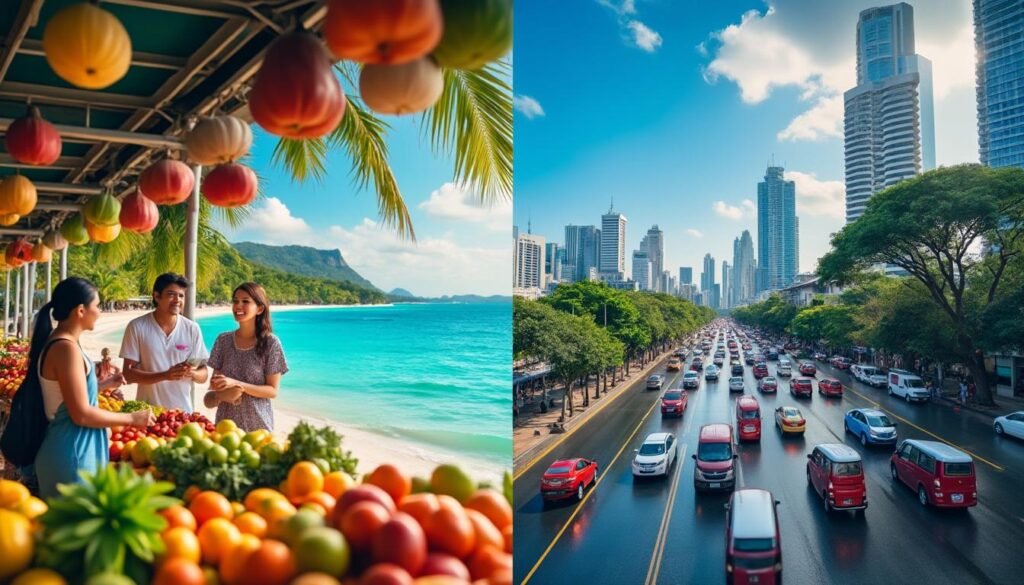
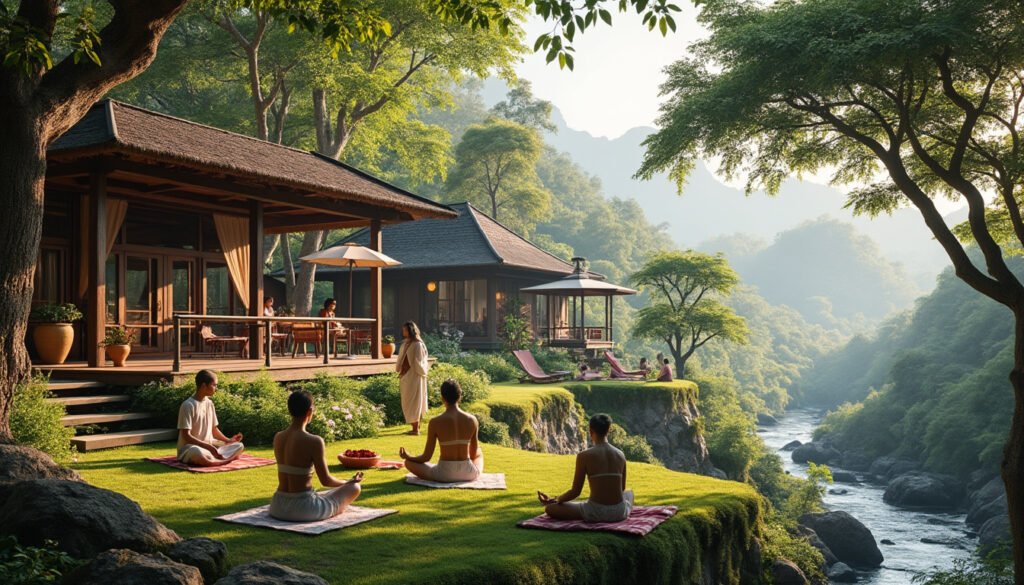
Let’s talk numbers and paperwork, because even the most romantic adventure needs a solid foundation. One of the biggest draws of Morocco is the financial freedom it can offer. From housing and transportation to a market basket overflowing with fresh produce, your money simply goes further here. Imagine renting an apartment with a sea view or dining out several times a week without a second thought—this is a tangible reality for many expats. This enhanced affordability not only alleviates financial stress but also frees up resources for savings, investments, or simply enjoying life’s pleasures, like spa days and weekend road trips.
Navigating visas and residency
The good news is that setting up a life in Morocco is more accessible than in many other expat hotspots. Most nationalities can enter on a 90-day tourist visa, which is a great way to test the waters. Some long-term residents even opt for “visa runs” every three months, though this can become tiresome. For those ready to commit, applying for a one-year residency card, or *carte de séjour*, is the next step. The process typically requires proof of sufficient funds (around €10,000 in savings or a steady income), a local bank account, and a rental agreement. After the first year, this can be extended, eventually leading to a 10-year card and permanent residency. For a detailed look at the requirements, many find that researching the experience of living in Morocco as an expat provides invaluable insights.
Tapping into business opportunities
With a booming tourism sector and increasing foreign investment, Morocco is fertile ground for entrepreneurs. The economic landscape is dynamic, with opportunities spanning from property development and boutique guesthouses (*riads*) to retail and tech startups. The government actively encourages foreign investment, which can also smooth the path to residency. However, it’s crucial to navigate the local business culture with respect and awareness. Success often hinges on building genuine relationships and understanding that there’s a fine line between creating opportunities and inadvertently disrupting the local ecosystem.
Cultural Immersion: Adapting to a New Social Landscape
Moving to Morocco is as much a cultural journey as it is a physical one. The social fabric is woven with threads of tradition, religion, and community that are vastly different from the West. One of the first things newcomers, particularly women, may notice is a different dynamic in public spaces. While Morocco is making strides in women’s rights, the culture remains largely patriarchal. This isn’t to say it’s disrespectful—in fact, hospitality is paramount—but it requires an adjustment in expectations and behavior. Learning a few words of Darija (Moroccan Arabic) and dressing modestly can go a long way in showing respect and fostering positive interactions.
Finding your tribe in the expat community
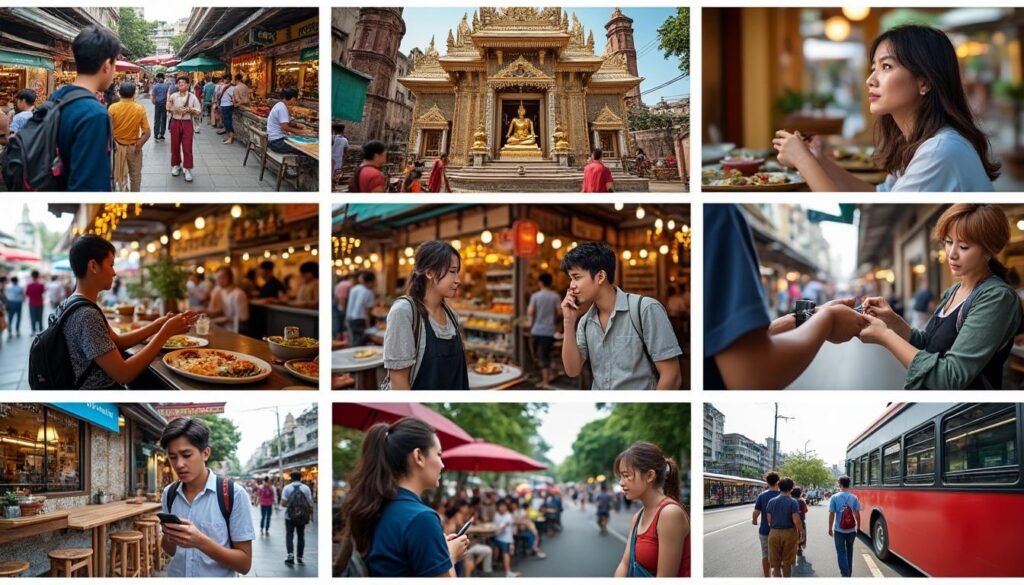
While integrating fully into Moroccan society can be a long-term endeavor, especially without fluency in French or Darija, you won’t be alone. Thriving, tight-knit expat communities exist in almost every major city and coastal town, from the bustling streets of Marrakech and Rabat to the breezy shores of Essaouira and Tangier. These networks are an incredible resource for navigating the challenges of relocation, from finding a reliable plumber to understanding the nuances of local etiquette. They also provide a vibrant social life, making it easy for solo travelers to build a new circle of friends. Before you move, it’s wise to explore the different pros, cons and budget for living in Morocco to find a city that fits your lifestyle.
The charm and challenge of local infrastructure
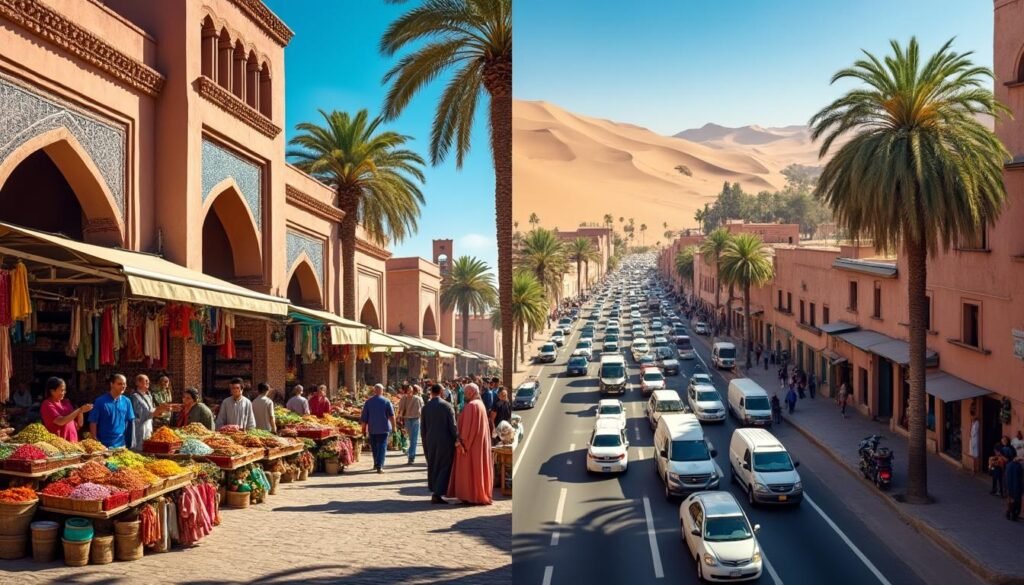
Life in Morocco is a study in contrasts. You might be working from a chic, modern co-working space with fiber-optic internet, located just around the corner from a dusty, unpaved street where the water supply can be intermittent. While the country’s core infrastructure—like its excellent toll roads and growing healthcare system—is impressive, development isn’t always uniform. This juxtaposition is part of the country’s charm for some, but it can be a source of frustration for others. Patience is key. It’s also worth noting that a massive wave of development is currently underway as Morocco prepares to co-host the 2030 World Cup, which is expected to smooth out many of these rough edges.
Exploring the Kingdom: Beyond the Common Perceptions
When you say “Morocco,” many people instantly picture the chaotic, spice-scented labyrinth of the Marrakech medina. While magical, that image only scratches the surface of this incredibly diverse nation. To truly understand the country, you have to explore it. Each city has its own distinct personality, and settling in one by default means missing out on what could be your perfect fit. The key is to look beyond the tourist trail and discover the corner of the Kingdom that speaks to you.
Debunking myths about safety
One of the most persistent questions from friends and family back home is inevitably, “But is it safe?” The answer, for the vast majority of expats, is a resounding yes. In fact, many report feeling safer walking alone at night in cities like Rabat or Essaouira than they would in New York or London. Moroccan culture is deeply communal, and people tend to look out for one another. While petty crime like pickpocketing can occur in crowded tourist areas—as it can anywhere—violent crime is rare. By exercising standard precautions and being aware of your surroundings, you’ll likely find that Moroccans are some of the most helpful, respectful, and welcoming people you’ll ever meet.
Choosing your perfect Moroccan home base
Don’t just default to the most famous city. Morocco’s regions offer wildly different lifestyles. To find your ideal spot, consider what you’re looking for:
- Rabat: The nation’s capital is clean, calm, and cosmopolitan, home to embassies, international schools, and beautiful public spaces. It’s ideal for families and professionals.
- Marrakech: The vibrant “Red City” is a magnet for creatives, entrepreneurs, and digital nomads, offering endless energy but also intense tourism.
- Casablanca: As the economic powerhouse, “Casa” is the place for business-minded expats seeking a fast-paced, modern urban environment.
- Tangier: This coastal port city has a storied international past and a laid-back, European feel that’s attracting a growing number of expats.
- Essaouira: A charming, windswept seaside town known for its bohemian vibe, art galleries, and a slower pace of life perfect for artists and remote workers.
An adventure playground from sea to sahara
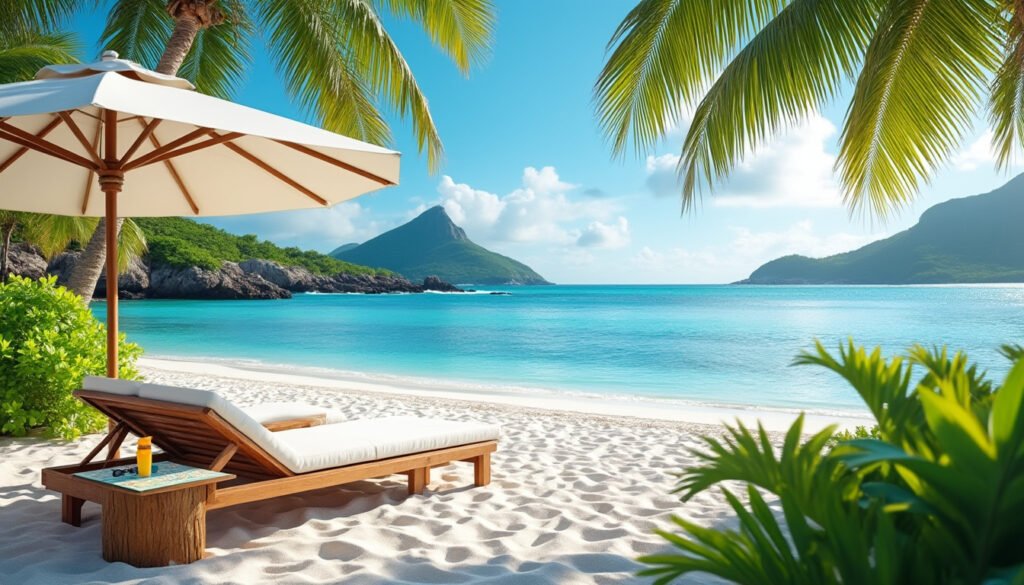
Forget the stereotype of a country that’s all sand and camels. Morocco is one of the most geographically diverse places on Earth. It boasts the wild Atlantic coast in the west, the calm Mediterranean in the north, the rugged Atlas Mountains running through its heart, and the majestic Sahara Desert to the southeast. This makes it an unparalleled playground for adventure enthusiasts. You can surf world-class waves in the morning and be trekking through mountain passes by the afternoon. In winter, you can even ski near Marrakech. With cheap domestic flights and well-maintained roads, every corner of this magnificent country is waiting to be explored.
Do Americans need a visa for Morocco?
U.S. citizens can enter Morocco for up to 90 days without a visa for tourism purposes. For longer stays, such as for work or retirement, you must apply for a residency permit (Carte de Séjour) after arriving in the country. It is advisable to start this process well before your 90-day period expires.
Is Morocco safe for expats?
Yes, Morocco is generally considered a safe country for expats. Violent crime rates are low, especially compared to many Western nations. The main concerns are petty theft and scams in heavily touristed areas. By respecting local customs and taking normal safety precautions, most foreigners enjoy a secure and peaceful life.
Which cities are best for expats to live in?
The best city depends on your lifestyle. Rabat is great for families and professionals due to its calm atmosphere and international schools. Marrakech is a hub for creatives and digital nomads. Casablanca is the business capital, while coastal towns like Essaouira and Tangier offer a more laid-back, bohemian lifestyle.
What is the cost of living in Morocco?
The cost of living in Morocco is significantly lower than in North America or Europe. Everyday expenses like housing, local food, and transportation are very affordable. However, imported goods, international schooling, and private healthcare can be expensive, so your budget will depend heavily on your lifestyle choices.