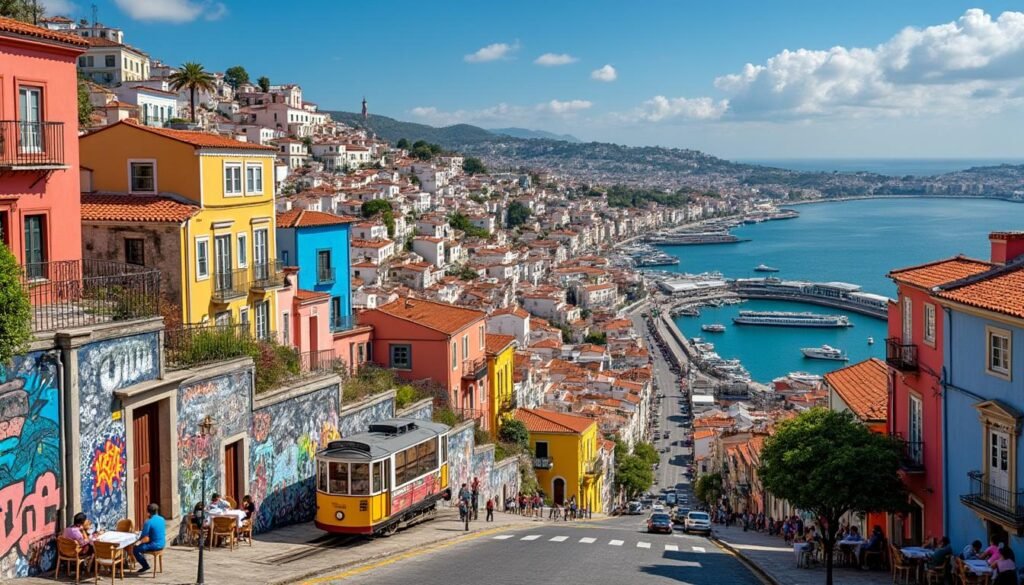

Valparaiso is not a city you simply see; it is a city you experience. It unfolds not on a grid, but in a chaotic, vibrant symphony of color that tumbles down more than forty hills into the Pacific Ocean. Getting lost here is not a risk but a guarantee, and a feature of any successful visit. Every wrong turn reveals an alleyway exploding with murals, a staircase painted like piano keys, or a sudden, breathtaking view of the bustling port below. This is a city that runs on a cycle of disorientation and discovery, where the best finds—be it a tiny café with a perfect ocean vista or a four-story mural hidden on a dead-end street—come from abandoning the map and letting the cerros guide the way. Less than two hours from the polished capital of Santiago, Valparaiso, or “Valpo,” feels like another world entirely: a bohemian, gritty, and profoundly artistic soul of Chile that enchants and challenges in equal measure.
Here’s what you need to know for your Valparaiso visit:
- Explore the core tourist hills, Cerro Alegre and Cerro Concepción, for their stunning architecture, charming promenades, and dense concentration of street art.
- Use the historic funiculars, or ascensores, for a cheap and scenic way to conquer the steep hills and get incredible views of the bay.
- Embrace the street art culture, which is the lifeblood of the city. Consider venturing to less-touristed hills like Cerro Bellavista for the open-air museum.
- Sample the local cuisine, especially the city’s signature dish, chorrillana, and the fresh seafood available at the port.
- Understand the safety situation: stick to well-lit tourist areas at night and take the same precautions you would in any major South American city.
- Consider a day trip to the polished, modern resort town of Viña del Mar for a stark and interesting contrast.
The Anatomy of a Port City: Valparaiso’s Unique Character
What gives Valpo its singular charm? It’s a combination of geography, history, and a fiercely independent spirit. The city is a natural amphitheater facing the Pacific, home to Chile’s most important port. This maritime identity is baked into its very foundations. Legend has it that the iconic colorful houses originated from necessity. Porteños, the city’s residents, used leftover corrugated tin from shipping containers to protect their adobe homes from the damp, salty air. To combat rust, they painted the tin with the durable, brightly colored paint used on the ships, creating the kaleidoscopic cityscape seen today.
A Labyrinth of Hills and Art
The city’s topography, with its 40-plus cerros (hills), forced an unconventional approach to urban planning. Houses cling to narrow ridges, often appearing to have five floors from one side and only one from another. This vertical landscape is connected by a dizzying maze of winding alleys, steep staircases, and hidden passages. Wandering here is a joy, as it’s nearly impossible to take the same route twice. This unique canvas has also made Valparaiso a world-renowned hub for street art. Far from simple graffiti, entire building facades are transformed into masterful works of art. Every walk is an open-air gallery tour, with new details and powerful murals revealing themselves at every turn.
How to Get to and Around Valparaiso
Reaching Valparaiso is straightforward, with most routes funneling through Chile’s capital. Buses are the backbone of Latin American travel, and this region is no exception.
From Santiago, numerous buses depart from the Alameda terminal for the two-hour journey to Valparaiso’s Rodoviario terminal, with tickets starting around 4,000 CLP. For those coming from further afield, such as San Pedro de Atacama or Pucón, overnight buses to Santiago are a comfortable and cost-effective option. The trip from Mendoza, Argentina, is a spectacular daylight journey through the Andes, offering views of Aconcagua, the range’s highest peak.
Mastering the City’s Transport
The best way to explore Valparaiso is on foot, but your legs will appreciate some help. The city’s famous ascensores, or funiculars, are both a practical tool and a historic attraction. For a mere 100 CLP, these charmingly vintage elevators hoist you from the flat lower city to the upper cerros, saving you a strenuous climb. For longer distances, the local buses (micros) and historic trolleys are a fantastic and authentic experience, costing just 300-400 CLP. The “Micro O” (bus 612) is particularly useful, as it traces Avenida Alemania along the city’s upper ridge, offering continuous panoramic views. Since 2005, a metro line has also connected Valparaiso with its coastal neighbor, Viña del Mar, making for a quick and easy day trip.
What to See and Do in Valparaiso
While aimless wandering is the best activity, a few key areas serve as excellent starting points. The historic center, a UNESCO World Heritage Site since 2003, is a must-see. This designation protects the city’s unique character from over-modernization, preserving the magic of its most famous hills and landmarks. To get your bearings, a free walking tour is an excellent idea. Local guides share passionate insights and tips that will enrich the rest of your stay.
Cerro Alegre and Cerro Concepción
These two adjacent hills are the vibrant heart of Valparaiso and where most visitors spend their time. This is the Valpo of postcards: a maze of charming streets, colorful homes, and an endless array of unique bars, restaurants, and hotels. Start by taking the Ascensor Concepción or climbing the colorful stairs of Pasaje Fischer. Explore Paseo Gervasoni and Paseo Atkinson for breathtaking views before finding the famous piano staircase on Beethoven Street. The area is a visual feast, with street art covering nearly every available surface. If you only have a day, make these cerros your priority.
La Sebastiana: A Poet’s Whimsical Home
Perched high on Cerro Bellavista sits La Sebastiana, one of the three homes of Chile’s Nobel Prize-winning poet, Pablo Neruda. Now a museum, the house is a fascinating look into his eccentric and creative mind. Neruda designed the five-story home to feel like a ship, with narrow staircases and windows of all shapes and sizes framing spectacular views of the bay. The included audio guide tells the story of the house and the poet’s life. Admission is 9,500 CLP, and it offers one of the best panoramic views in the city.
Exploring Beyond the Tourist Trail
For a different perspective, head to Cerro Artilleria for the sweeping vista from Paseo 21 de Mayo, overlooking the port. Nearby, Cerro Playa Ancha offers a glimpse into Valparaiso’s past with its magnificent Victorian-style mansions. This quieter neighborhood feels a world away from the bustling tourist center. For art lovers, Cerro Bellavista is home to the Museo a Cielo Abierto, an “open-air museum” featuring 20 large-scale murals by Chilean artists integrated into the neighborhood’s streets.
Flavors of the Port: A Food Lover’s Guide
Valparaiso’s culinary scene is as eclectic and unpretentious as the city itself. From historic markets to cozy cafés, there is something to discover around every corner.
- Mercado El Cardonal: This bustling historic market is a feast for the senses. Head to the second floor, where small restaurants like La Paloma serve up hearty, authentic Chilean fare.
- Empanadas Famosas: While the shop itself is unassuming, the empanadas here are legendary. Grab a few to go and enjoy them while sitting on a colorful staircase with a view.
- Le Petit Café: Located on Pasaje Fischer, this spot offers a delightful blend of French-style breakfasts and Chilean flavors in a charming setting.
- Seafood at the Harbor: At Muelle Prat, watch pelicans and sea lions as you enjoy fresh fish brought in that day. It’s a great place to try a classic caldillo de congrio (conger eel stew).
Day Trips from Valparaiso
The city’s location makes it a great base for exploring the central coast. Just a short trip away, you can find sandy beaches, rolling vineyards, and wild nature.
Viña del Mar and Concón
A quick 10-minute metro ride away is Viña del Mar, Valparaiso’s polished alter ego. Known as the “Garden City,” it features manicured parks, a large casino, and long stretches of sandy beaches like El Sol and Las Salinas. While it lacks Valpo’s chaotic charm, it provides a pleasant contrast and a great place for a swim. Further north, the town of Concón is famous for its massive sand dunes, where visitors can try sandboarding down the steep slopes.
The Casablanca Valley Wine Region
Nestled between Santiago and Valparaiso, the Casablanca Valley is one of Chile’s premier white wine regions. It’s renowned for its crisp Chardonnay and Sauvignon Blanc, but also produces excellent Pinot Noir. Numerous wineries offer tours and tastings, making it a perfect day trip for wine enthusiasts. You can explore the region on a guided tour or independently if you have a car.
Practical Information for Your Trip
A little planning goes a long way in ensuring a smooth and enjoyable visit to this unique city.
Safety in Valparaiso
Valparaiso has a reputation for being a bit rough around the edges, and petty crime like theft can be an issue. However, by following basic safety precautions, visitors are unlikely to encounter problems. Stick to the main tourist areas of Cerro Alegre and Concepción after dark. Avoid flashing valuables like expensive cameras or phones, and carry only the cash you need for the day. As in any large city, awareness is your best defense. A more comprehensive guide can offer peace of mind for first-time visitors.
Where to Stay
Valparaiso offers a wide range of accommodation, from lively hostels to charming boutique guesthouses. For budget travelers, Hostal Casa Verde Limón is a clean and friendly option. Mid-range choices like La Casa Piola and La Galería B&B offer cozy rooms and excellent breakfasts in prime locations. For a bit more comfort and an incredible view, the New Voga Guesthouse on Cerro Alegre is a fantastic choice.
How many days are needed to visit Valparaiso?
Two full days is the minimum to experience the main sights, including Cerros Alegre and Concepción, and to soak in the city’s atmosphere. Three to four days allows for a more relaxed pace, deeper exploration of other hills, and a day trip to Viña del Mar or the Casablanca Valley.
What is the best time of year to visit Valparaiso?
The best time to visit is during the Chilean spring and summer, from October to March. The weather is warm and sunny, perfect for walking the hills. January and February are the busiest months, while the shoulder months of October, November, and March offer pleasant weather with fewer crowds.
Is Valparaiso a walkable city?
Yes and no. The core areas of each cerro are very walkable, but the city is extremely hilly. Moving between cerros or from the lower ‘El Plan’ area to the upper hills involves very steep climbs. Walking is the best way to see the art, but using the historic ascensores (funiculars) is highly recommended to save your legs.
What is chorrillana?
Chorrillana is a massive, iconic Chilean dish that originated in Valparaiso. It consists of a large platter of french fries topped with strips of beef, sautéed onions, and fried eggs. It’s classic pub food and is meant to be shared among several people.