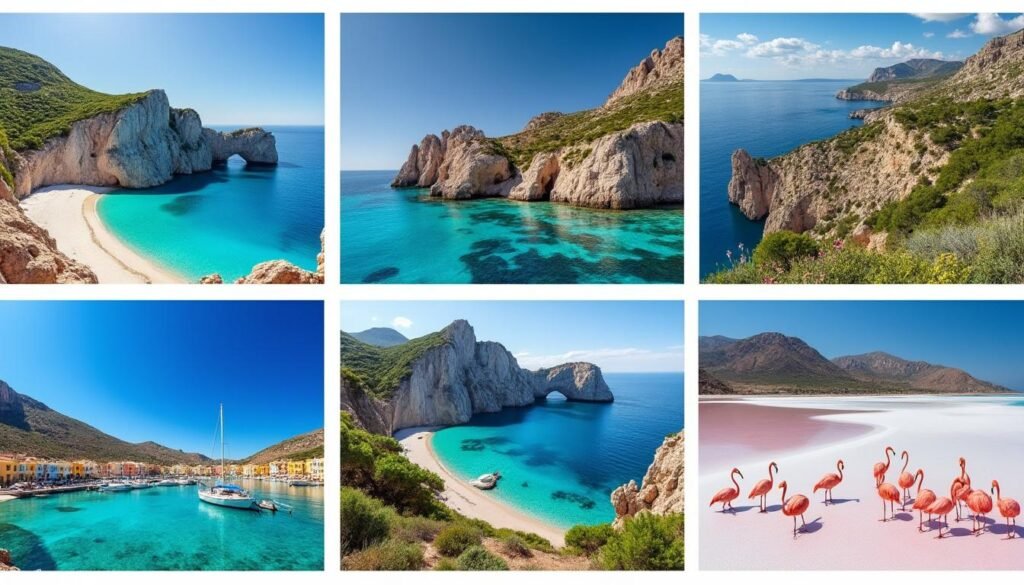

Sardinia is an island of captivating contrasts, a place where the Mediterranean’s most turquoise waters meet rugged mountains and ancient history. Far more than just a summer beach destination, it offers a depth that surprises even the most seasoned travelers. A single visit reveals a world of prehistoric stone towers, fiercely independent traditions, and a culinary scene that is distinctly Sardinian, not just Italian. What truly sets the island apart is its sheer variety; one day can be spent sailing to secluded coves accessible only by boat, and the next can be dedicated to exploring the mysterious remains of a 3,000-year-old civilization. The island’s character shifts dramatically from the glamorous shores of the Costa Smeralda to the quiet, cobblestoned streets of Catalan-influenced Alghero. It’s a destination that rewards curiosity, inviting visitors to look beyond the coastline and discover the wild, soulful heart of this Mediterranean jewel.
In brief
- Best bases for first-timers: Cagliari or Alghero for a mix of city life, culture, and beach access.
- Top activities: Boat trips in La Maddalena or the Gulf of Orosei, exploring Nuragic archaeological sites, and dining at a traditional agriturismo.
- Getting around: Renting a car is essential for exploring beyond the main cities and reaching the best beaches and inland villages.
- Don’t miss: The unique experience of seeing pink flamingos in the coastal lagoons near San Teodoro or Cagliari.
- Travel tip: Some of the most famous beaches, like La Pelosa, require advance booking online during the high season, so plan ahead.
1. Sail through a turquoise paradise: the archipelagos
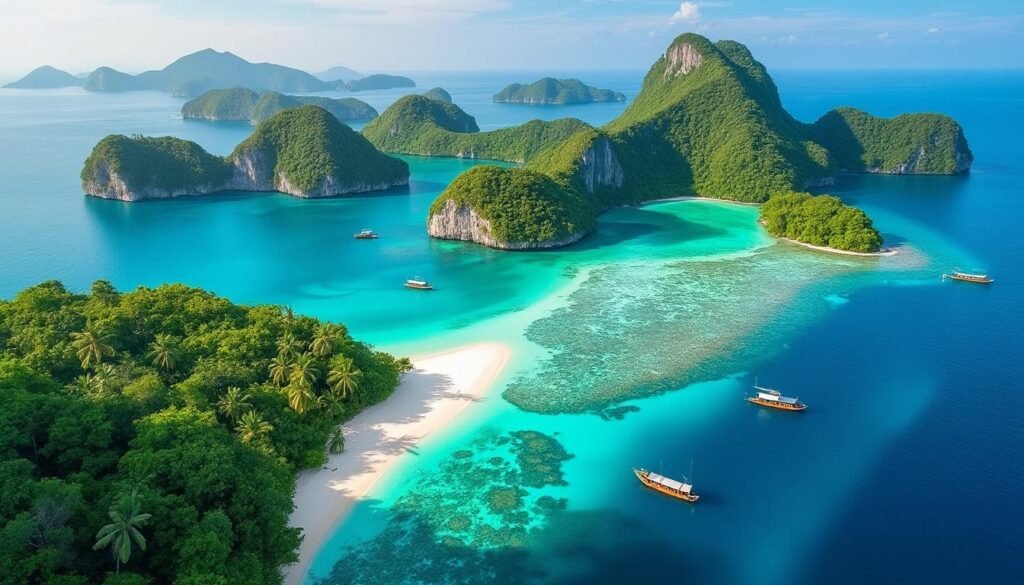
One of the most unforgettable Sardinian experiences is discovering its coastline from the water. The island is flanked by two spectacular marine parks: the La Maddalena Archipelago in the northeast and the Gulf of Orosei (or Baunei Coast) in the east. La Maddalena is a protected chain of granite islands with translucent waters and pristine beaches that feel a world away from the mainland. The best way to explore is by renting a small dinghy (many don’t require a boating license) from Palau, allowing for a full day of independent island-hopping and swimming in secluded bays.
On the eastern side, the Gulf of Orosei presents a more dramatic landscape, with sheer limestone cliffs plunging into the sea. This stretch of coast hides some of Sardinia’s most iconic coves, like Cala Luna and Cala Goloritzè, many of which are only accessible by boat or through demanding multi-hour hikes. Joining a small-group boat tour from Cala Gonone is an excellent way to see these stunning, otherwise unreachable beaches without the strenuous trek.
Explore Sardinia’s hidden coves
Whether you choose the gentle allure of La Maddalena or the dramatic cliffs of the Orosei Gulf, a day on the water is non-negotiable. These boat trips offer more than just beautiful scenery; they provide a true sense of adventure and discovery. You’ll find yourself anchoring offshore, diving into crystal-clear water, and swimming to shores that few have the chance to set foot on. It’s an essential part of understanding why Sardinia’s coastline is considered one of the most beautiful in the world.
2. Step back in time: the ancient Nuragic civilization
Long before the Romans arrived, Sardinia was home to the mysterious Nuragic civilization, which flourished from about 1900 to 730 BCE. This prehistoric culture left behind thousands of unique stone towers known as nuraghi, found nowhere else on earth. These conical structures, built with impressive megalithic techniques, served as fortresses, palaces, and spiritual centers. Visiting one is like stepping into a forgotten world.
The most famous and complex example is Su Nuraxi di Barumini, a UNESCO World Heritage site, where a central tower is surrounded by the ruins of an entire village. Exploring its labyrinthine passages and circular huts offers a fascinating glimpse into a highly organized ancient society. For those seeking a less crowded experience, sites like Nuraghe La Prisgiona near Arzachena provide a similarly immersive look at these remarkable Bronze Age communities.
Discover the tombs of giants and houses of fairies
The Nuragic legacy extends beyond the towers. Dotted across the landscape are “Tombs of the Giants,” monumental burial sites used for collective funerals, and “Domus de Janas” (Houses of Fairies), which are prehistoric chamber tombs carved directly into rock faces. These sites, often located in serene, rural settings, add to the island’s mystical atmosphere. A journey through Sardinia’s archaeological wonders is a journey into the deep and enigmatic roots of Mediterranean history.
3. Get lost in historic citadels and colorful towns
While the coast is stunning, Sardinia’s soul is often found in its historic towns. Alghero, on the northwest coast, is a standout, with a charming old town enclosed by medieval sea walls. Its cobblestone lanes, Gothic churches, and Catalan heritage create a unique atmosphere that feels distinct from the rest of Italy. A sunset walk along its bastions, overlooking the sea toward Capo Caccia, is an essential Sardinian ritual.
In the south, the capital city of Cagliari offers a more bustling urban experience, with four historic districts to explore. The hilltop Castello quarter provides panoramic views, while the vibrant Marina district is filled with excellent restaurants and bars. Beyond the big cities, Sardinia’s small towns are a delight. Bosa, with its pastel-colored houses lining the Temo river and the Malaspina Castle looming above, is arguably one of Italy’s most picturesque villages.
4. Indulge in authentic Sardinian cuisine
To truly understand Sardinia, one must taste it. The island’s cuisine is fiercely regional and deeply tied to its pastoral and agricultural roots. For an authentic experience, bypass the tourist traps and head to an agriturismo—a working farm that serves traditional, home-cooked meals made with locally sourced ingredients. Here, you can savor dishes that have been perfected over generations.
Must-try dishes include “porceddu,” a slow-roasted suckling pig with incredibly crispy skin, and “culurgiones,” a beautifully pleated pasta filled with potato, pecorino cheese, and mint. Another local specialty is “fregola,” a toasted semolina pasta often served with clams. Don’t forget to sample the island’s renowned pecorino cheese and “bottarga” (cured mullet roe), often called Sardinian caviar. Wash it all down with a glass of robust Cannonau red wine or a crisp Vermentino white.
A checklist of Sardinian flavors
When dining in Sardinia, be sure to look out for these unique culinary treasures:
- Culurgiones: The island’s distinctive ravioli-like pasta.
- Malloreddus: A small, gnocchi-shaped pasta typically served with a sausage and tomato sauce.
- Fregola con Arselle: Toasted pasta pearls with clams, a coastal classic.
- Porceddu: The celebrated slow-roasted suckling pig.
- Seadas: A large pastry filled with soured pecorino cheese, fried, and drizzled with honey.
- Mirto: A traditional liqueur made from myrtle berries, served chilled as a digestif.
5. Unwind on world-class beaches
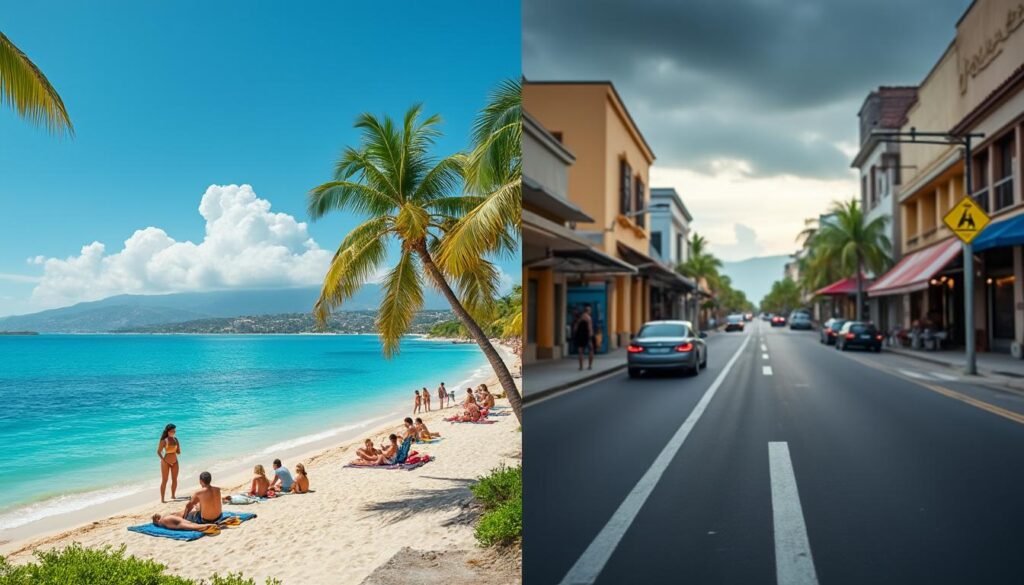
No trip to Sardinia would be complete without spending time on its legendary beaches. The island’s coastline is a seemingly endless succession of stunning coves, white-sand expanses, and turquoise waters. The Costa Smeralda in the north is famous for its glamorous beaches like Spiaggia del Principe and Capriccioli, where fine sand meets crystalline water and sculpted granite rocks.
On the far northwestern tip, La Pelosa near Stintino is consistently ranked among the most beautiful beaches in the world for its impossibly shallow, swimming-pool-blue water. Its popularity means access is now regulated during the summer to preserve its delicate ecosystem. Visitors must book a spot online in advance and adhere to rules like using a mat instead of a towel directly on the sand. This small effort is a small price to pay for experiencing such a natural marvel. Many other places in Sardinia also offer incredible seaside experiences.
6. Immerse yourself in vibrant local culture
Beyond the landscapes and food, Sardinia’s living culture is one of its greatest attractions. The island is famous for its vibrant festivals, or “sagre,” which celebrate everything from saints to seasonal harvests. The most spectacular is the Festival of Sant’Efisio in Cagliari, a four-day procession in early May where groups from all over Sardinia parade in elaborate traditional costumes.
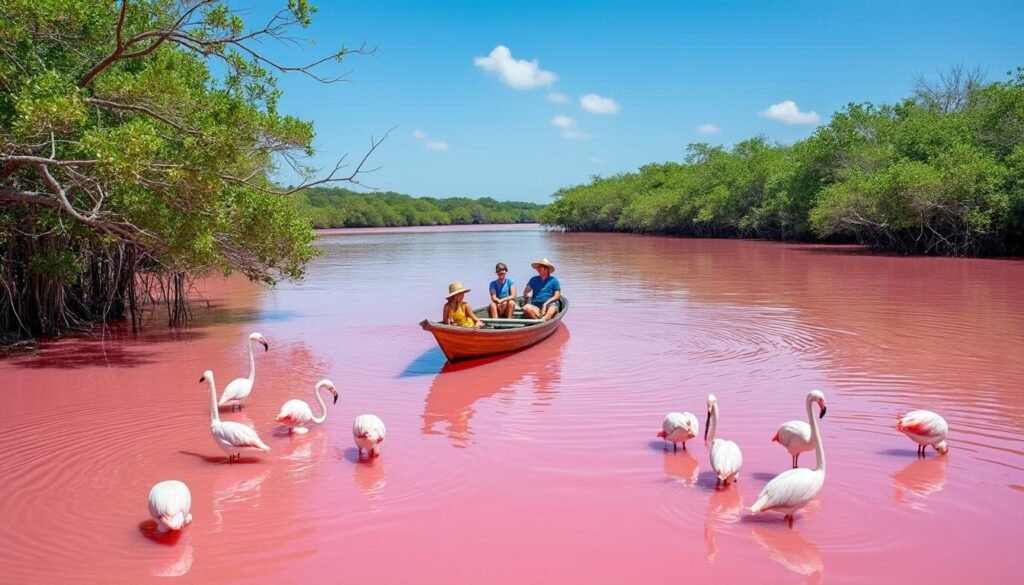
But culture can also be found in quieter moments. One of the most surprising sights is the colonies of pink flamingos that inhabit the coastal lagoons, particularly at Molentargius near Cagliari and near San Teodoro. Watching these elegant birds against the backdrop of the salt pans is a magical experience. From the politically charged murals of Orgosolo to the charming artisan shops of San Pantaleo, Sardinia offers endless opportunities to connect with a culture that is ancient, proud, and utterly unique.
Is Sardinia worth visiting without a car?
Yes, but your experience will be limited. If you stay in a major city like Cagliari or Alghero, you can explore the city on foot and use guided tours for day trips to nearby beaches and archaeological sites. However, to truly explore the island’s hidden coves, inland villages, and remote landscapes, renting a car is highly recommended.
What is Sardinia known for besides its beaches?
Sardinia is famous for its unique ancient history, including thousands of prehistoric nuraghi stone towers. It’s also known for its strong local traditions and festivals, a distinct cuisine different from mainland Italy, wild inland landscapes perfect for hiking, and its status as a ‘Blue Zone,’ one of the places in the world where people live the longest.
How many days are recommended for a first visit to Sardinia?
For a first trip, 10 to 14 days is ideal to explore one or two regions without feeling rushed. A 7-day trip is enough to get a good feel for a single area, such as the Costa Smeralda and Alghero in the north, or Cagliari and the southern coast. The island is large, and travel times can be longer than they appear on a map.
What is the best time to visit Sardinia?
The best time to visit is during the shoulder seasons of May, June, and September. During these months, the weather is warm enough for swimming, the crowds are smaller than in July and August, and prices for accommodation and car rentals are generally lower. Spring is also a beautiful time for hiking and seeing the island covered in wildflowers.